New Patients Welcome!


Dental Crown Care Tips in Burien, WA
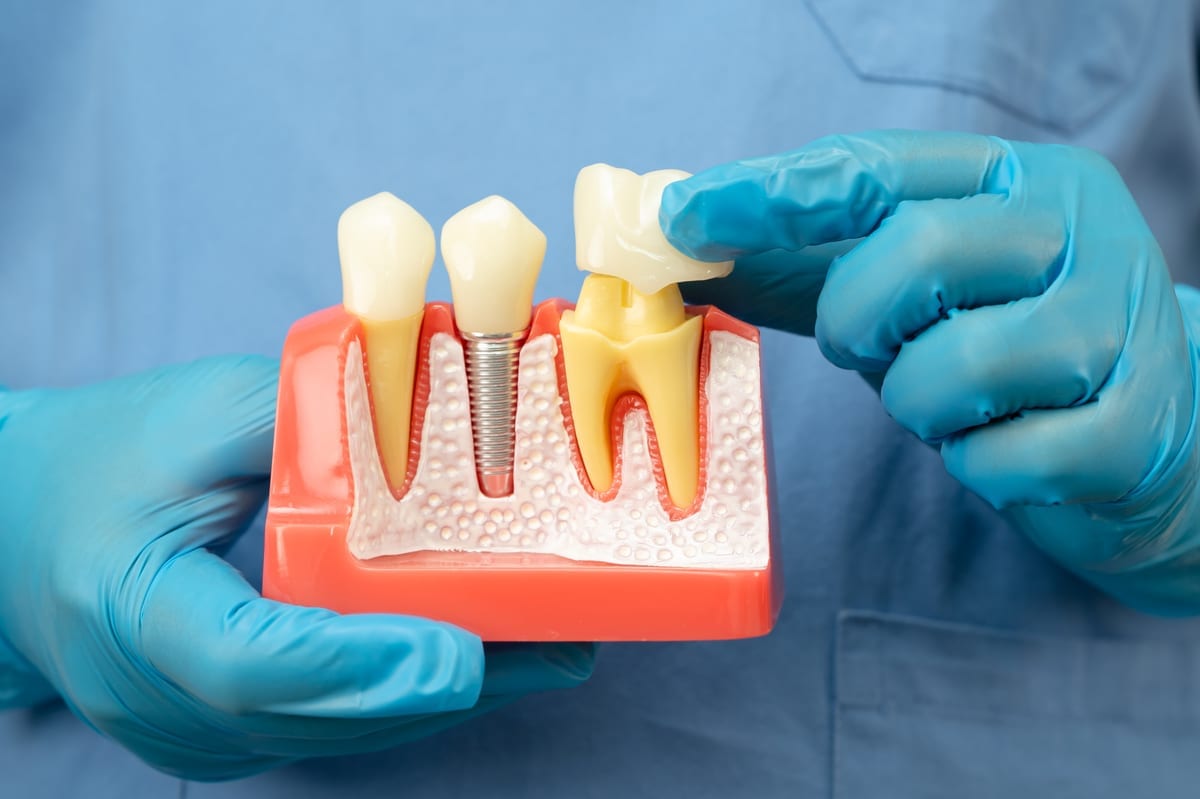
Your new crown won’t last without these daily care habits in Burien — and that’s not an exaggeration. Dental crowns are strong, but they aren’t invincible. The way you care for your crown every day directly affects how long it stays healthy. At White Center Smiles, Dr. Tofunmi Osundeko wants every patient to get the most from their dental work.
Crowns typically last 10 to 15 years with proper maintenance. Neglect them, and you may face chips, loosening, or decay beneath the crown. The good news is that protecting your crown doesn’t require complicated routines. A few consistent habits make all the difference.
How to Clean Around Your Crown Every Day
Cleaning around a crown is slightly different from cleaning a natural tooth. The margin — where the crown meets the gumline — is especially vulnerable. Plaque and bacteria can build up there quickly. Ignoring that zone leads to decay on the tooth underneath the crown.
Brush at least twice a day using a soft-bristled toothbrush. Angle the bristles toward the gumline to sweep away debris at the margin. Use gentle, circular motions rather than aggressive scrubbing. Hard brushing can wear down the cement that holds your crown in place.
Flossing is non-negotiable. Slide floss gently between your crowned tooth and its neighbors. Curve it around the base of the crown in a C-shape. Avoid snapping the floss upward, which can loosen the crown over time.
- Brush twice daily with a soft-bristled toothbrush
- Angle bristles toward the gumline at the crown margin
- Floss daily using a gentle C-shape technique
- Use a water flosser for extra cleaning around the margin
- Rinse with an antibacterial mouthwash to reduce bacterial buildup
Foods and Habits That Put Your Crown at Risk in Burien
What you eat and drink plays a major role in crown longevity. Certain foods create stress or introduce acids that break down your restoration. Knowing what to avoid helps you protect your investment every single day.
Hard foods are a top threat to crowns. Biting into ice, hard candy, or crusty bread puts intense pressure on the crown. That pressure can crack porcelain or chip the restoration. Even cracking nuts with your teeth can cause serious damage.
Sticky foods are equally dangerous. Caramel, taffy, and chewy candies can pull a crown loose. They also trap sugar at the crown margin, which feeds decay-causing bacteria. Limit these foods as much as possible.
- Avoid chewing ice or hard candies
- Skip sticky sweets like caramel and gummy candy
- Do not use your teeth as tools to open packages
- Limit acidic beverages like soda and citrus juices
- Cut hard foods like apples or carrots into small pieces before eating
Habits like nail-biting or chewing on pens also stress your crown. These unconscious behaviors create repeated micro-pressure that weakens the restoration. Breaking these habits protects not just your crown but your entire smile.
Why Night Guards Are Essential for Teeth Grinders
Many people grind or clench their teeth during sleep without realizing it. This condition is called bruxism, and it is a serious threat to dental crowns. The grinding force during sleep can exceed normal biting force by several times. Crowns simply are not designed to handle that level of repeated stress.
If you grind your teeth, a custom night guard is one of the best tools available. It creates a barrier between your upper and lower teeth. The guard absorbs the grinding force so your crown doesn’t have to. It also protects natural teeth from wear at the same time.
Signs you may be grinding include waking with jaw soreness, headaches, or a tired jaw. Your partner may also report hearing grinding sounds during the night. Dr. Osundeko can evaluate your bite and recommend a night guard fitted specifically for your mouth. An over-the-counter guard rarely fits as well and offers less protection.
Wearing a night guard consistently adds years to the life of your crown. It also reduces the jaw pain and headaches that bruxism causes. Think of it as insurance for your dental restoration. Ask about custom night guards at your next visit to White Center Smiles.
Routine Dental Visits Keep Your Crown in Top Shape
Daily home care is critical, but professional checkups complete the picture. Dr. Osundeko examines your crown at every visit to check for wear, cracks, or margin gaps. Early detection prevents small problems from becoming expensive ones. Skipping checkups is one of the fastest ways to shorten your crown’s lifespan.
Professional cleanings remove hardened tartar that your toothbrush can’t reach. Tartar buildup at the crown margin creates conditions for decay to start underneath. A hygienist clears that buildup and polishes the crown surface safely. Your crown stays cleaner and more secure between visits.
X-rays taken during routine exams can reveal issues invisible to the naked eye. Decay beneath a crown, for example, only shows up clearly on imaging. Catching it early means saving the tooth rather than replacing the entire restoration. Consistent care truly pays off over time.
If you ever notice your crown feels loose, sharp, or different when biting, act quickly. Prompt care from Emergency Dentistry services can save a crown before it fails completely. Do not wait for a problem to get worse. White Center Smiles is here to help when unexpected issues arise.
Minor damage around a crown can sometimes be repaired with Dental Bonding techniques. This approach is quick and preserves the original restoration whenever possible. Discuss all your options with Dr. Osundeko before making any decisions about crown repair or replacement.
Building a Crown Care Routine That Actually Sticks
Knowing the right habits is one thing. Building them into your daily life is another challenge entirely. The most effective routines are simple, repeatable, and don’t feel like a burden. Start with what you already do and build from there.
Keep your dental tools visible and accessible. A toothbrush on the counter, floss next to the sink, and mouthwash within reach all make it easier to stay consistent. Small environmental cues reinforce good habits. Remove obstacles that make it easy to skip your routine.
Set a reminder on your phone if you often forget to floss at night. Pair your dental routine with another habit you already have, like washing your face. These small strategies build the consistency your crown depends on. Over time, the routine becomes automatic.
Talk to your dental team if you feel unsure about any aspect of your care. The team at White Center Smiles is always ready to demonstrate proper brushing and flossing technique. No question is too small when your long-term oral health is at stake. Your crown is worth protecting every single day.
Conclusion: Protect Your Investment in Your Smile
A dental crown is a meaningful investment in your oral health and confidence. Daily cleaning habits, smart food choices, and night guard use all play a role in how long it lasts. Routine professional visits tie everything together and catch problems before they grow. Your new crown won’t last without these daily care habits in Burien — but with them, it can serve you well for many years to come. Book Now to schedule your appointment with our team.
Frequently Asked Questions
How long does a dental crown typically last?
With proper care, most dental crowns last between 10 and 15 years. Some crowns last even longer when patients maintain strong daily hygiene habits and attend regular dental checkups. The material of the crown and your individual bite habits also affect its lifespan.
Can I get a cavity under my dental crown?
Yes, decay can develop at the margin where the crown meets the natural tooth. This is why brushing carefully at the gumline and flossing daily is so important. Regular dental exams and X-rays help catch early decay before it becomes a serious problem.
Do I really need a night guard if I have a crown?
If you grind or clench your teeth, a custom night guard is strongly recommended. Grinding puts extreme force on your crown that it was not designed to handle. A properly fitted night guard protects the crown, natural teeth, and your jaw joints from damage.
What should I do if my crown feels loose?
Contact your dentist right away if your crown feels loose, shifts when biting, or falls out. Do not ignore the problem or wait for your next scheduled visit. Prompt attention can often save the existing crown and prevent further damage to the underlying tooth.
Are there specific toothpastes I should use for a crown?
Use a non-abrasive fluoride toothpaste to clean around your crown. Avoid whitening toothpastes with harsh abrasives, as they can scratch porcelain surfaces over time. Your dentist can recommend a specific product based on your crown material and overall oral health needs.