New Patients Welcome!


Dental Bridges Lifespan in Seattle, WA
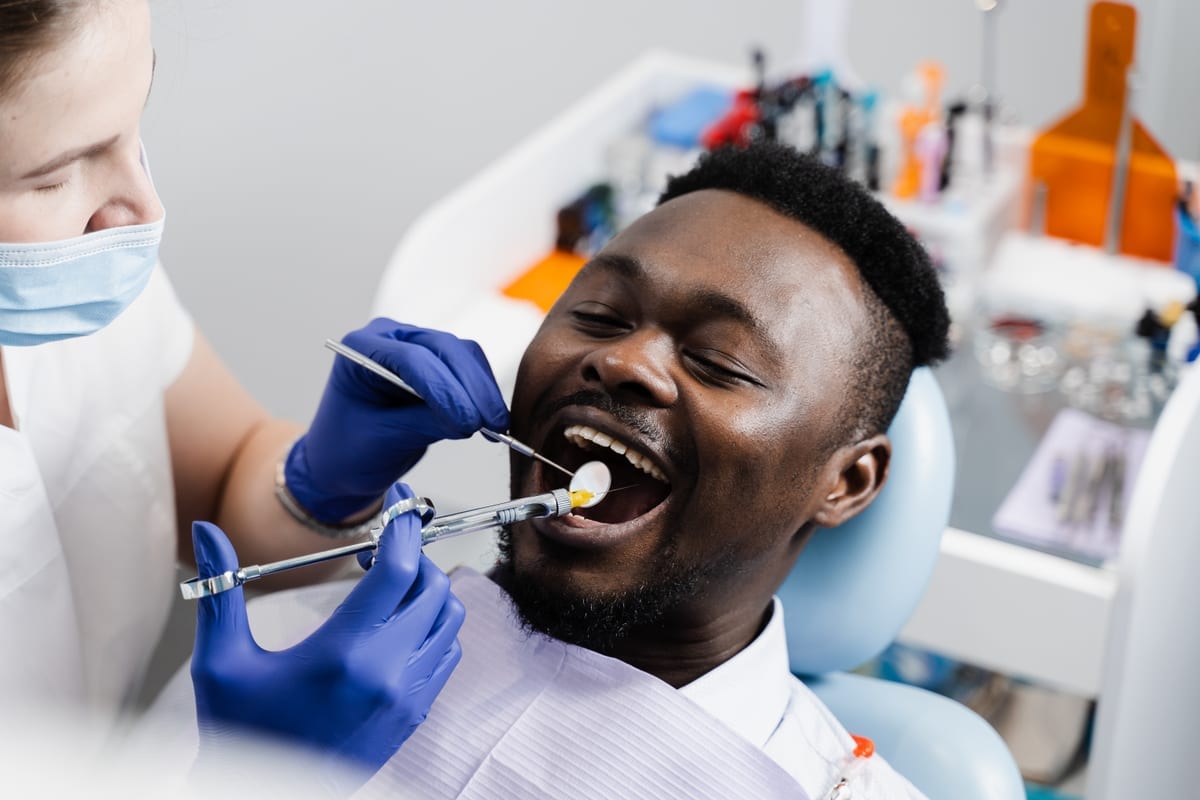
Many Seattle patients ask Dr. Tofunmi Osundeko one important question before treatment: do dental bridges last 10 years or 15 years in your mouth? The honest answer is — it depends on several factors. Some bridges last a decade. Others serve patients for 20 years or more. Understanding what drives that difference helps you protect your investment and your smile.
What Is the Average Lifespan of a Dental Bridge in Seattle?
Most dental bridges last between 10 and 15 years with proper care. Some patients in Seattle keep theirs functioning well beyond that range. The American Dental Association recognizes bridges as a durable tooth replacement option when maintained correctly.
The lifespan depends on the type of bridge, the materials used, and your oral health habits. A porcelain-fused-to-metal bridge and an all-ceramic bridge wear differently over time. Your dentist will recommend the right material based on where the missing tooth sits in your mouth.
At White Center Smiles, Dr. Osundeko evaluates each patient individually. Your bite pattern, jawbone health, and daily habits all influence how long your bridge will last. Getting the right fit from the start makes a major difference.
What Shortens the Life of a Dental Bridge?
Several habits and conditions can cause a bridge to fail earlier than expected. Knowing these risks helps you avoid them before they become costly problems.
- Grinding or clenching teeth — This places excessive pressure on the bridge and supporting teeth.
- Poor oral hygiene — Plaque buildup under the bridge damages the abutment teeth over time.
- Skipping dental checkups — Small issues go undetected and grow into bigger failures.
- Eating hard or sticky foods frequently — These foods stress the bridge structure and cement.
- Gum disease — Infection weakens the supporting teeth that anchor the bridge.
- Tooth decay in abutment teeth — The bridge depends on healthy anchor teeth to stay in place.
Seattle’s lifestyle includes everything from coffee drinks to chewy Pacific Northwest favorites. Some of these foods can stress dental work over time. Being mindful of what you eat protects your bridge significantly.
What Extends the Life of Your Dental Bridge in Seattle?
Good habits can push your bridge well past the 10-year mark. Many of Dr. Osundeko’s patients at White Center Smiles enjoy bridges that still perform beautifully after 15 years. The key is consistency.
Here are the most effective ways to extend your bridge’s lifespan:
- Brush twice daily — Use a soft-bristled toothbrush and fluoride toothpaste every morning and night.
- Floss under the bridge — Use a floss threader or water flosser to clean beneath the pontic daily.
- Schedule regular cleanings — Visit White Center Smiles every six months for professional cleanings and exams.
- Wear a night guard if needed — A custom guard protects the bridge from grinding forces while you sleep.
- Address gum issues early — Healthy gums mean healthy abutment teeth, which means a stable bridge.
Dr. Osundeko often combines bridge treatment with other services. Patients interested in Cosmetic Dentistry options benefit from a complete approach that considers both function and aesthetics. A well-planned smile is a lasting smile.
How Do You Know When a Bridge Needs Replacing?
Even a well-maintained bridge will eventually need attention. Knowing the warning signs helps you act early before more serious damage occurs.
Watch for these signals that your bridge may be failing:
The bridge feels loose or shifts slightly when you bite. You notice sensitivity or discomfort around the abutment teeth. The gum tissue near the bridge looks swollen or bleeds regularly. You see visible cracks or chips in the bridge material. Food gets caught in places it didn’t before.
If you notice any of these signs, contact White Center Smiles right away. Catching a failing bridge early often means a simpler fix. Waiting too long can sometimes require more extensive treatment, including Dental Bonding or replacement of the entire restoration.
Bridges vs. Implants — Which Lasts Longer?
Patients in Seattle often compare dental bridges to implants when planning tooth replacement. Both are excellent options, but their lifespans differ significantly. A dental implant, when properly placed, can last a lifetime. The crown on top may need replacement after 15 to 20 years, but the implant itself is permanent.
A bridge, by contrast, typically requires replacement after 10 to 15 years. However, bridges remain a strong, non-surgical option for many patients. They work well when the surrounding teeth are healthy and strong enough to serve as anchors.
Dr. Osundeko discusses both options thoroughly during consultations at White Center Smiles. The right choice depends on your bone health, budget, timeline, and long-term dental goals. There is no universal answer — only the best answer for your unique situation.
Conclusion: Making Your Bridge Last in Seattle
So, do dental bridges last 10 years or 15 years in your mouth? In Seattle, most patients can expect a well-placed bridge to last at least a decade. With excellent home care and regular visits to White Center Smiles, 15 years or more is absolutely achievable. Dr. Osundeko and the team are here to help you get the most from every dental restoration. Book Now to schedule your appointment with our team.
Frequently Asked Questions
Do dental bridges last 10 years or 15 years on average?
Most dental bridges last between 10 and 15 years. With excellent oral hygiene and regular dental visits, some patients keep their bridges functioning well for 20 years or longer. The quality of the placement and the health of surrounding teeth are major factors.
How often should I visit the dentist if I have a dental bridge?
Patients with dental bridges should visit White Center Smiles at least twice a year. Regular cleanings and exams allow Dr. Osundeko to monitor the bridge, check the abutment teeth, and catch any early signs of wear or damage.
Can I floss normally with a dental bridge?
You cannot floss between bridge teeth the way you would natural teeth. Instead, use a floss threader, super floss, or a water flosser to clean underneath the pontic and around the abutment teeth. Daily cleaning in this area prevents decay and gum disease.
What happens if I do not replace a failing dental bridge?
Ignoring a failing bridge can lead to damage to the abutment teeth, gum disease, bone loss, and shifting of surrounding teeth. Early intervention at White Center Smiles is always easier and less costly than waiting for the problem to worsen.
Does teeth grinding affect how long a dental bridge lasts?
Yes. Grinding and clenching place significant stress on a dental bridge and its supporting teeth. Dr. Osundeko may recommend a custom night guard to protect your bridge and extend its lifespan. This is a simple and effective preventive step for many Seattle patients.