New Patients Welcome!


Invisalign vs Braces in Seattle, WA
Many patients in White Center ask the same question before starting orthodontic treatment. Can Invisalign fix your bite problems, or do you need braces in White Center to get real results? The answer depends on the severity and type of your bite issue. Dr. Tofunmi Osundeko at White Center Smiles helps patients understand exactly which option fits their smile goals.
Clear aligners have come a long way in recent years. They can now treat a wider range of bite and alignment problems than ever before. But they still have limits. Knowing those limits helps you make a confident, informed decision about your care.
What Bite Problems Can Invisalign Fix in White Center?
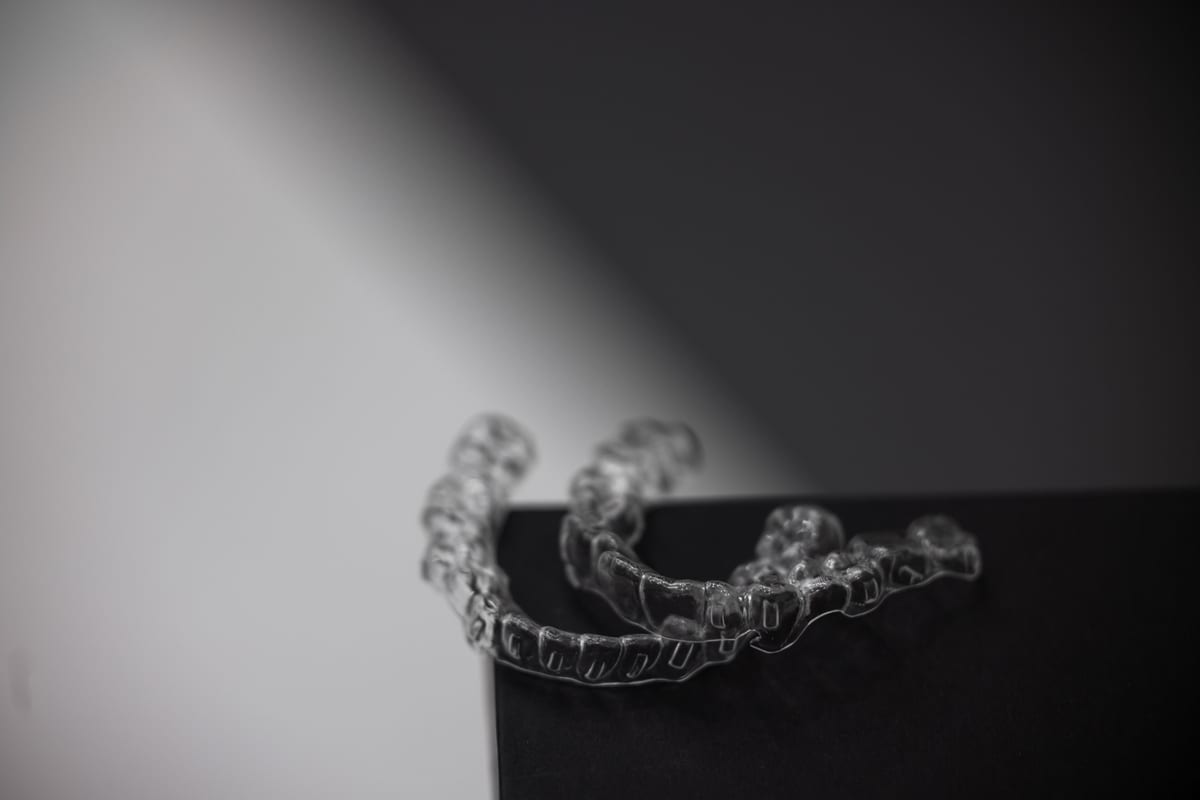
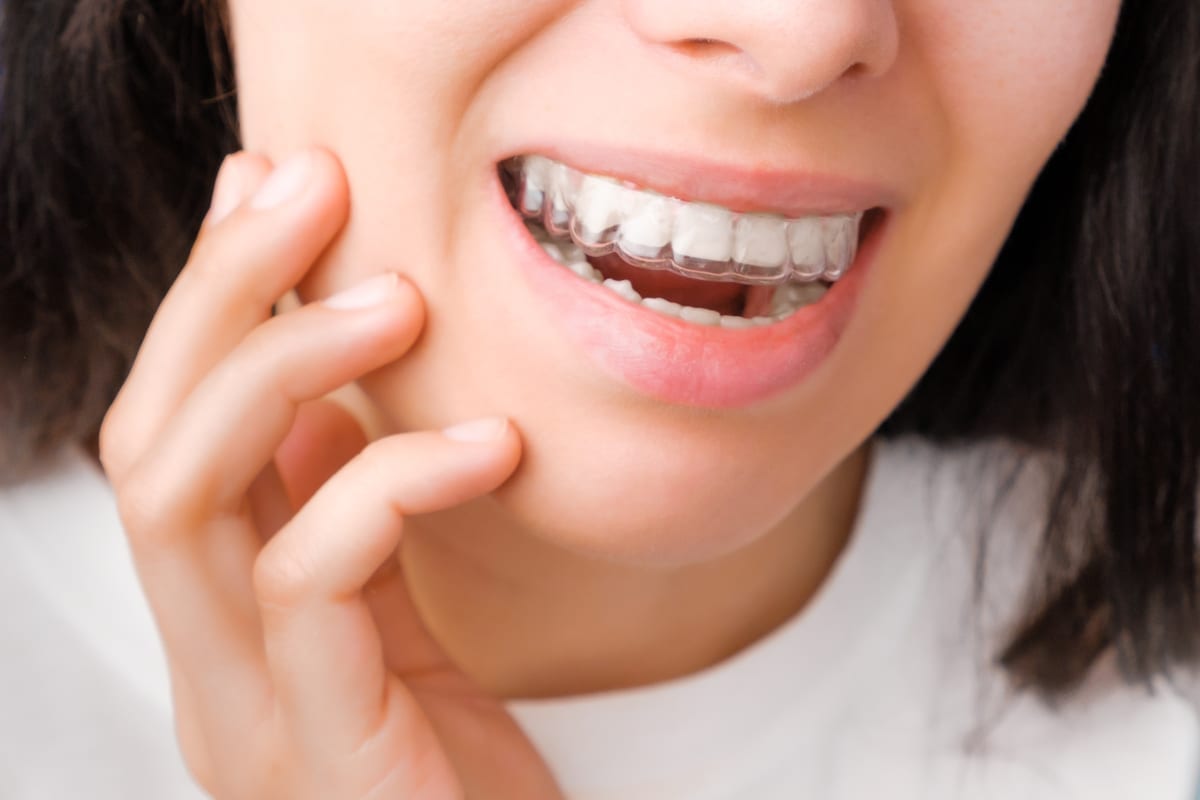
Invisalign uses a series of custom-made clear trays to gradually shift teeth. Each tray applies gentle, targeted pressure to specific teeth. Over time, that pressure corrects misalignment and improves your bite. Many common orthodontic issues respond well to this approach.
Clear aligners work effectively for mild to moderate cases of the following conditions:
- Crowding — teeth that overlap or sit too close together
- Spacing — gaps between teeth that affect function or appearance
- Mild overbite — upper front teeth that extend too far over lower teeth
- Mild underbite — lower teeth that sit in front of upper teeth
- Crossbite — upper and lower teeth that don’t align properly side to side
- Open bite — upper and lower teeth that don’t meet when the mouth closes
The key word in each case is mild to moderate. When bite problems are minor, Invisalign can deliver excellent results. Treatment is comfortable, removable, and nearly invisible during daily life.
When Traditional Braces Work Better Than Clear Aligners
Braces use metal brackets and wires to move teeth with consistent, controlled force. This makes them better suited for more complex orthodontic cases. Some bite problems simply require more mechanical power than aligners can provide.
Traditional braces tend to outperform Invisalign in these situations:
- Severe crowding that requires significant tooth rotation
- Large overbites or underbites with skeletal involvement
- Significant vertical bite problems, including deep bites
- Cases where precise torque control is essential
- Patients who may struggle with aligner compliance
Wearing aligners requires discipline. You must wear them 20 to 22 hours per day for treatment to work. If that commitment is difficult, braces may deliver more predictable results. Dr. Osundeko assesses your lifestyle as well as your bite during your consultation.
Some patients also have bite issues tied to jaw structure rather than tooth position alone. In those cases, orthodontics may need to be combined with other treatments. Your provider will explain all options clearly before you begin.
How Dr. Osundeko Evaluates Your Candidacy in White Center
There is no single answer that fits every patient. Each smile is unique, and so is each bite problem. At White Center Smiles, Dr. Osundeko uses a thorough evaluation process to determine your best path forward. This takes the guesswork out of the decision entirely.
Your evaluation will typically include a visual exam of your teeth and bite. Digital X-rays and impressions help reveal how your teeth and jaw relate to each other. These images show details that are invisible to the naked eye. Together, they give Dr. Osundeko a complete picture of your orthodontic needs.
She will also ask about your daily habits, comfort preferences, and smile goals. Some patients prioritize a discreet treatment option. Others want the fastest path to results. Understanding your priorities helps shape the right recommendation for your situation.
After your evaluation, Dr. Osundeko will walk you through your options in plain language. You will understand exactly what each treatment can achieve and how long it may take. There are no surprises, and no pressure to choose before you are ready.
Combining Clear Aligners With Other Cosmetic and Restorative Treatments
Orthodontic treatment often works best as part of a broader smile plan. Many patients in White Center combine Invisalign with other services for a complete transformation. Straightening your teeth first creates a better foundation for cosmetic work afterward. This sequencing leads to longer-lasting, more beautiful results.
For example, some patients finish aligner treatment and then explore a Dental Bonding procedure to refine tooth shape or repair minor chips. Bonding is a fast and affordable way to polish your final result. It blends seamlessly with your natural enamel for a smooth, even appearance.
Other patients may need a crown or bridge alongside their orthodontic work. White Center Smiles offers a full range of restorative and cosmetic services. Dr. Osundeko can coordinate your care so every step builds toward the same goal.
If a dental concern arises unexpectedly during treatment, the team is also here for you. White Center Smiles provides Emergency Dentistry for patients who experience sudden pain, injury, or dental urgency. You will never have to search for a new provider if something unexpected happens during your orthodontic journey.
Taking the Next Step Toward a Healthier Bite
Choosing between Invisalign and braces is easier when you have expert guidance. Dr. Tofunmi Osundeko brings both clinical expertise and genuine care to every consultation at White Center Smiles. Patients across the White Center community trust her to explain their options honestly and thoroughly. She will never recommend a treatment that does not match your actual needs.
Whether your bite issue is mild or complex, there is a solution that fits your life. The most important step is simply starting the conversation. A single consultation can answer all your questions and set you on the right path. You do not have to navigate this decision alone.
Ready to find out which treatment is right for your smile? Book Now to schedule your appointment with our team.
Frequently Asked Questions
Can Invisalign fix an overbite without braces?
Invisalign can correct mild to moderate overbites in many patients. However, severe overbites — especially those involving jaw structure — may require traditional braces or additional orthodontic appliances. Dr. Osundeko will assess the degree of your overbite during your consultation and recommend the most effective treatment for your specific case.
How long does Invisalign treatment typically take?
Treatment length varies based on the complexity of your case. Mild alignment issues may be corrected in as little as six to twelve months. More involved cases can take eighteen months or longer. Dr. Osundeko will give you a personalized timeline after reviewing your evaluation results.
Is Invisalign painful compared to traditional braces?
Most patients find clear aligners more comfortable than metal braces. You may experience mild pressure or soreness when switching to a new tray. This discomfort typically fades within a day or two. There are no wires or brackets to irritate the inside of your cheeks or lips.
What happens if I don’t wear my aligners enough each day?
Aligners must be worn 20 to 22 hours per day to move teeth on schedule. Wearing them less than the recommended time slows progress and can extend your overall treatment. It may also cause individual trays to no longer fit properly. Consistency is one of the most important factors in achieving great results with Invisalign.
Can adults get Invisalign, or is it only for teenagers?
Invisalign is an excellent option for adults of all ages. In fact, many adult patients in White Center prefer clear aligners because they are discreet and easy to manage around a busy lifestyle. As long as your teeth and gums are healthy, age is rarely a barrier to starting clear aligner treatment.