New Patients Welcome!


Dental Bridges Seattle
Dental Bridges Seattle: Restore Your Smile with Confidence
If you are missing one or more teeth, you are not alone. Many Seattle residents deal with this challenge every day. Dental Bridges Seattle patients seek are a trusted, time-tested solution. At White Center Smiles, Dr. Tofunmi Osundeko helps patients regain full function and a natural-looking smile. This guide will walk you through everything you need to know about dental bridges.
What Is a Dental Bridge?
A dental bridge literally bridges the gap left by a missing tooth. It consists of one or more artificial teeth, called pontics. These are anchored in place by crowns on the neighboring teeth. The result is a seamless, stable restoration that looks and feels natural.
Bridges are typically made from porcelain, ceramic, or a metal-porcelain combination. Your dentist will recommend a material based on the location of the missing tooth. Front teeth often benefit from all-porcelain options for aesthetics. Back teeth may need stronger materials to handle chewing pressure.
There are several types of bridges available today. Traditional bridges are the most common choice. Cantilever bridges are used when only one neighboring tooth is available. Maryland bridges use a metal or porcelain framework bonded to adjacent teeth. Dr. Osundeko will evaluate your unique situation to recommend the best fit.
Why Replacing a Missing Tooth Matters
A missing tooth does more than affect your appearance. Over time, the surrounding teeth can shift into the empty space. This shifting leads to bite problems and increased wear. It can also make cleaning more difficult, raising your risk of decay.
Bone loss is another serious concern. When a tooth root is gone, the jawbone no longer receives stimulation. This causes the bone to gradually shrink. A bridge helps maintain facial structure by keeping neighboring teeth stable.
Chewing and speaking can also be affected by tooth loss. Many patients find certain foods difficult or uncomfortable to eat. Speech patterns may change as well. Restoring the tooth with a bridge helps you return to normal daily activities with ease.
- Prevents neighboring teeth from shifting
- Helps maintain natural bite alignment
- Supports jawbone health and facial structure
- Restores full chewing and speaking ability
- Improves confidence in your smile
If you are exploring all your tooth replacement options, our restorative dentistry page offers a helpful overview of available treatments.
Dental Bridges Seattle: What the Process Looks Like
Understanding the treatment process can ease any anxiety you may feel. Getting a dental bridge typically takes two to three appointments. Each visit has a clear purpose and moves you closer to your restored smile. Here is what you can generally expect.
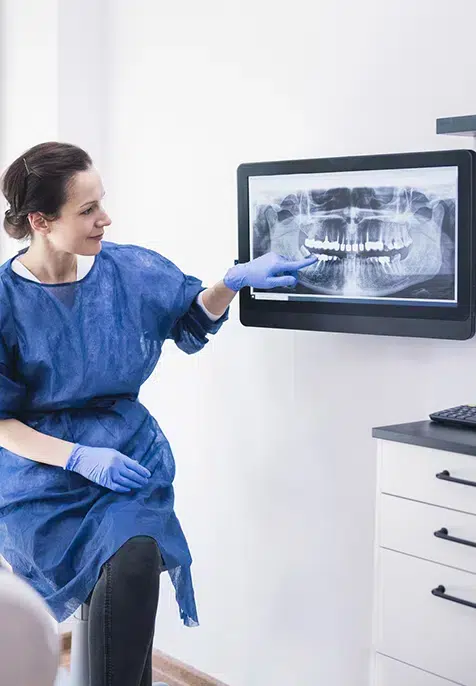
- Consultation and Exam: Dr. Osundeko examines your teeth, gums, and bone health. X-rays help assess the supporting teeth and jaw. Together, you discuss your goals and the best bridge option.
- Tooth Preparation: The teeth adjacent to the gap are gently shaped. This allows the crowns to fit securely over them. A local anesthetic keeps you comfortable throughout.
- Impressions and Temporary Bridge: Detailed impressions are taken of your teeth. These go to a dental lab where your custom bridge is crafted. A temporary bridge protects your teeth while you wait.
- Final Placement: Your permanent bridge is checked for fit and color. Dr. Osundeko makes any small adjustments needed. The bridge is then permanently cemented into place.
Most patients adapt quickly to their new bridge. It may feel slightly different at first, but that passes within a few days. Routine follow-up visits help ensure everything is healing well.
How to Care for Your Dental Bridge
Good oral hygiene is essential to making your bridge last. Bridges can last 10 to 15 years or longer with proper care. The key is keeping the area clean and free from plaque buildup. Dr. Osundeko and the team at White Center Smiles will guide you through the best techniques.
Brushing twice daily is a must. Use a soft-bristled toothbrush and fluoride toothpaste. Pay close attention to the gumline around the bridge and crowns. This area is especially prone to plaque accumulation.
Flossing under the bridge is equally important. Standard floss may not reach beneath the pontic easily. Floss threaders or water flossers work very well for this. Your hygienist can show you the most effective method during your cleaning visit.
- Brush twice daily with a soft-bristled toothbrush
- Use a floss threader or water flosser under the bridge
- Avoid chewing hard or sticky foods near the bridge
- Schedule regular cleanings and checkups
- Wear a nightguard if you grind your teeth
Regular dental cleaning and exam appointments are a vital part of bridge maintenance. Your dentist can spot early issues before they become costly problems.
Are Dental Bridges Right for You?
Bridges are an excellent option for many patients, but not everyone is an ideal candidate. You generally need healthy teeth on either side of the gap. Your gum tissue should also be in good condition. Patients with significant bone loss may need to explore other options first.
Dental implants are another popular alternative for replacing missing teeth. Unlike bridges, implants do not rely on neighboring teeth for support. They also stimulate the jawbone directly, which prevents bone loss. Dr. Osundeko can help you compare bridges and implants during your consultation.
If you are missing several teeth, dentures and partials may be worth exploring alongside bridge options. Every patient has a unique situation. A thorough exam helps determine the most appropriate path forward for your smile and health goals.
Conclusion: Take the First Step Toward a Complete Smile
Missing teeth can affect your quality of life in many ways. Fortunately, dental bridges offer a reliable and proven solution. Dr. Tofunmi Osundeko and the team at White Center Smiles are here to guide Seattle patients every step of the way. You deserve a smile that looks great and functions well. Book Now to schedule your appointment with our team.
Frequently Asked Questions
How long does a dental bridge last?
With proper care, a dental bridge can last 10 to 15 years or more. Good oral hygiene, regular dental visits, and avoiding hard foods all help extend its lifespan. Dr. Osundeko will advise you on the best maintenance routine for your specific bridge.
Does getting a dental bridge hurt?
Most patients experience little to no discomfort during the procedure. Local anesthesia is used to keep the area numb during tooth preparation. Some mild soreness after the appointment is normal and typically fades within a few days.
Can a dental bridge be used to replace more than one missing tooth?
Yes, a bridge can replace multiple consecutive missing teeth. The bridge will have more pontics to fill the larger gap. The supporting teeth on each end must be strong enough to anchor the restoration securely.
What is the difference between a dental bridge and a dental implant?
A bridge spans the gap using adjacent teeth for support, while an implant is surgically placed into the jawbone. Implants do not require altering neighboring teeth. Both options have unique advantages, and Dr. Osundeko can help you decide which is best for you.
How do I know if I am a good candidate for a dental bridge in Seattle?
Good candidates typically have healthy teeth and gums on either side of the missing tooth gap. A thorough exam and dental X-rays help assess your suitability. Schedule a consultation at White Center Smiles to get a personalized evaluation from Dr. Osundeko.