New Patients Welcome!


Professional Teeth Whitening vs. At-Home Kits: What’s the Real Difference?
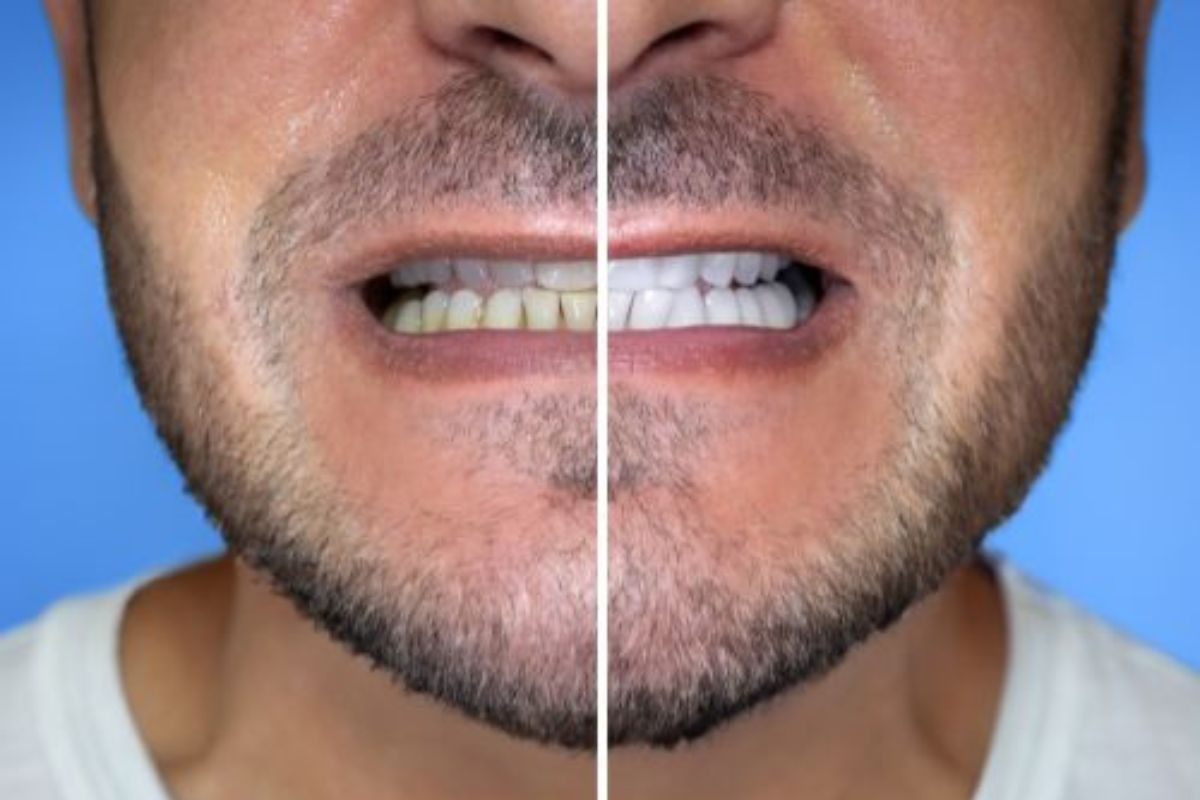
Whiter teeth are one of the most requested cosmetic dentistry improvements, and it’s easy to see why. A bright smile tends to make you feel more confident in photos, at work, and in everyday conversations. But with drugstore shelves packed with strips, trays, and LED kits, it’s reasonable to wonder whether a professional treatment is actually worth it or whether an at-home product gets you to the same place.
The honest answer is: it depends on what you’re trying to achieve. And knowing the difference between the two approaches will save you time, money, and frustration.
How Each Method Works
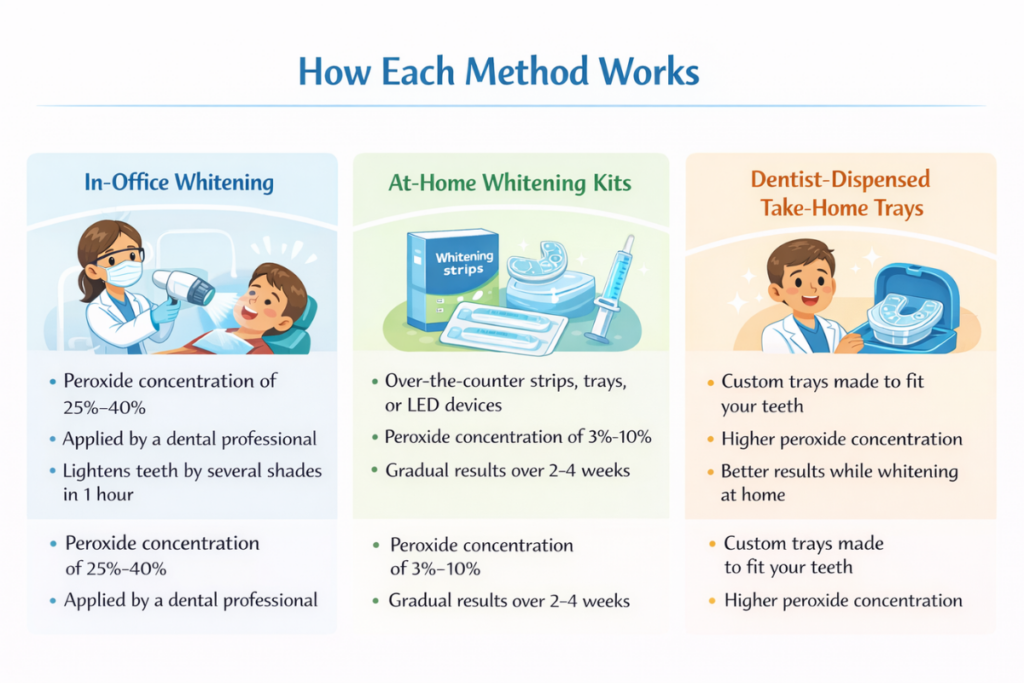
Professional whitening and at-home kits both rely on peroxide-based chemical elements, but that’s roughly where the similarities end.
In-office whitening uses a high-concentration hydrogen peroxide gel, typically 25% to 40%, applied directly to the teeth by a dental professional. Your gums and soft tissues are carefully protected before the gel is applied, and the treatment usually takes about an hour. Some systems use a light or laser to activate the whitening agent and accelerate results. The outcome is typically several shades lighter in a single visit.
At-home kits, whether they’re over-the-counter strips, trays, or LED devices, use much lower concentrations of peroxide, usually between 3% and 10%. This keeps them safer for unsupervised use, but it also means results are more gradual and generally less dramatic. Whitening strips from a pharmacy, for instance, can lighten teeth by a few shades over two to four weeks of consistent use.
For people exploring teeth whitening in Seattle at White Center Smiles, there’s also a middle-ground option: dentist-dispensed take-home whitening trays. These use a higher peroxide concentration than anything you’d find over the counter, come in custom-fitted trays made from an impression of your teeth, and deliver noticeably better results than standard kits while still letting you whiten at home on your own schedule.
Where At-Home Kits Fall Short
At-home whitening products work for mild surface staining — the kind that accumulates from coffee, tea, and red wine. If your teeth are healthy, fairly uniform in color, and you just want a general brightening effect, a quality whitening strip can deliver that over time.
But there are real limitations worth knowing before you commit:
- One-size trays don’t fit everyone. Generic trays leave gaps where the gel doesn’t make full contact with the tooth surface, leading to uneven results. They can also cause the gel to seep onto the gums, leading to irritation.
- Surface stains only. At-home kits can’t address intrinsic discoloration – staining that originates inside the tooth from medications (like tetracycline), trauma, or fluorosis. These deeper stains require professional intervention or, in some cases, an entirely different cosmetic approach.
- Slower timelines. If you have an event coming up like a wedding, a reunion, a job interview — a two-to-four-week kit timeline doesn’t leave much room for error.
- No professional screening. Starting any whitening treatment without a dental exam first can mask underlying issues. Cavities, gum disease, or cracked enamel can make whitening painful and worsen existing problems.
What Professional Whitening Offers That Kits Don’t
The most significant advantage of professional whitening isn’t just the strength of the bleaching agent, but the extensive treatment before whitening.
Before your treatment begins, your dentist checks your teeth and gums to confirm whitening is appropriate for you. They identify any restorations, such as crowns or veneers, that won’t respond to bleaching (so you’re not surprised later). They protect your soft tissue during the procedure. And they can recommend the right approach based on the actual cause of your dental discoloration, because not all stains respond the same way.
The results are also more immediate and more consistent. Professional whitening typically delivers four to eight shades of improvement in a single session. Dentist-dispensed take-home trays can achieve similar results over a few weeks, with the added benefit of custom fit and professional-grade gel.
Which Option Is Right for You?
A few things worth thinking through:
- How much discoloration are you dealing with? Mild yellowing from lifestyle habits responds well to kits. Deeper staining or significant discoloration typically needs professional treatment.
- Do you have any existing dental work? Crowns, veneers, and bonding won’t whiten — a dentist needs to factor that in before recommending any of these approaches.
- What’s your timeline? A single in-office session can deliver dramatic results fast. At-home options, even professional-grade ones, take longer.
- Have you had a dental exam recently? Whitening before addressing cavities or gum issues can cause real discomfort. A checkup first is always the right move.
At-home kits have a legitimate place in a whitening routine for maintenance after a professional treatment. But for meaningful, lasting results, especially if your discoloration goes beyond basic surface staining, professional whitening is a different category of treatment, not just a more expensive version of the same thing.
Book your whitening consultation at White Center Smiles today and walk away with a clear plan, not another kit that almost gets you there.
FAQs
How long do professional whitening results typically last?
Results vary based on your diet, oral hygiene habits, and whether you use any maintenance products afterward. Most people find that in-office whitening results last one to three years with good home care. Avoiding heavy-staining foods and beverages, or rinsing with water after consuming them, helps extend the results. Many patients do a touch-up with dentist-dispensed trays once or twice a year to maintain their shade.
Will whitening make my teeth sensitive?
Some degree of sensitivity during or after whitening is common, particularly with higher-concentration treatments. It’s usually temporary and resolves within a day or two. If you already have sensitive teeth, let your dentist know before starting – there are low-sensitive formulations and techniques that reduce discomfort without sacrificing results.
Can I whiten teeth that have crowns or veneers?
No whitening agent changes the color of dental restorations. Crowns, veneers, and bonding stay the same shade regardless of treatment. This doesn’t mean whitening isn’t an option for you, but your dentist needs to map out which teeth will respond and plan accordingly, sometimes recommending replacement restorations to match a newly whitened shade.
Is whitening safe to do while pregnant or breastfeeding?
Most dental professionals recommend waiting until after pregnancy and breastfeeding before doing any elective whitening. While there’s no definitive evidence of harm, the limited research suggests a cautious approach: hold off. Talk with your dentist if you’re unsure – they can help you plan timing that works for your situation.
How is whitening toothpaste different from actual whitening treatments?
Whitening toothpastes work primarily through mild abrasives or low-dose chemical agents that remove surface staining with regular brushing. They can help maintain a brighter baseline, but they don’t contain enough peroxide to change your tooth’s actual color. Think of them as maintenance tools, not treatment; they work best as a complement to professional whitening, not a substitute.