New Patients Welcome!


What Are Common Dental Emergencies
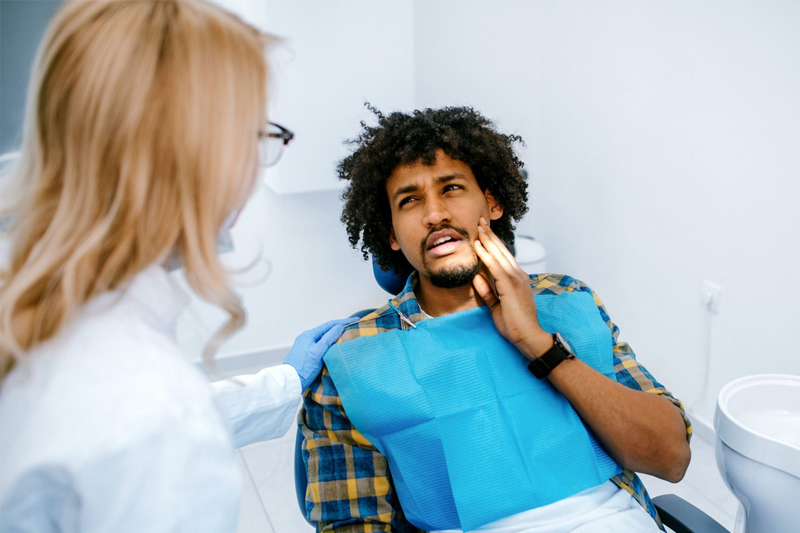
Knowing when to call the dentist is important, and if you have a dental emergency you should get in touch with your dentist right away. Our practice offers same or next day appointments to address any emergency situations for our patients. We want our patients to feel comfortable calling us in an emergency situation.
There are signs or symptoms that may tell you there is a dental emergency. Typically, if you are experiencing any pain or discomfort that is a big indicator something may be wrong. If an emergency is not addressed, additional more complicated problems may arise. The quicker you contact us, the faster we can get you in to be seen and help you recover.
Dental emergencies include any problems that require immediate attention. Examples of dental emergencies include saving a tooth, infections, or alleviating pain. Infections are serious, can be life-threatening, and should be addressed right away. One of the most common dental emergencies patients face is a tooth ache. This can be caused by a cavity, and should be addressed as soon as possible.
Common Dental Emergencies
- Bleeding or irritated gums
- Tooth Injury, broken, or cracked tooth
- Abscess or infection
- Prolonged sensitivity to hot or cold
- Tooth pain that is persistent and does not go away
- Lip or mouth sores that do not go away
- Jaw pain, popping, or clicking
- Your tooth changes color, or white spots have formed on the tooth’s surface
- Loose teeth
If you notice any of these symptoms, it’s best to contact our office as soon as possible. Pain, injury, or dental trauma should never be ignored. Our team will carefully assess your situation and guide you toward the right treatment to restore your comfort and oral health. As an emergency dentist in Seattle, we are equipped to handle urgent dental concerns and provide the care you need when it matters most.
How to Prevent Common Dental Emergencies
Some common dental emergencies, like a cracked tooth or severe toothaches, can often be prevented with a few simple precautions.
Preventive Tips:
- Avoid hard foods that could crack your teeth (e.g., ice, hard candy, popcorn kernels).
- Wear a mouthguard during sports or other activities where mouth injuries are common.
- Don’t use your teeth as tools (e.g., opening bottles or tearing packaging).
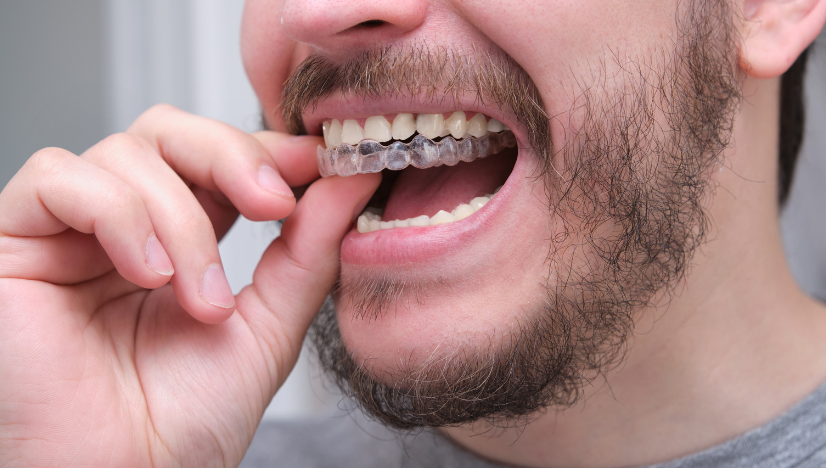
- Avoid teeth grinding, especially at night—consider wearing a nightguard.
- Maintain a good oral hygiene routine to prevent decay and cavities that could lead to more serious problems.
Step-by-Step Guide for Handling Common Dental Emergencies
Knowing what to do in case of a dental emergency can make all the difference. Here’s how to handle common emergencies:
- Toothache:
- Rinse your mouth with warm water.
- Floss gently around the tooth to remove any debris.
- Apply a cold compress on the outside of your cheek.
- Avoid placing aspirin directly on the tooth, as this can burn the gum tissue.
- Schedule an appointment with your dentist immediately.
- Knocked-Out Tooth:
- Handle the tooth by the crown, not the root.
- Rinse it gently under water if it’s dirty (but don’t scrub it).
- Place the tooth back in its socket if possible. If not, store it in a cup of milk or saline.
- Get to the dentist within an hour for the best chance of saving the tooth.
- Broken or Chipped Tooth:
- Rinse your mouth with warm water.
- Apply a cold compress to reduce swelling.
- Save any broken pieces of the tooth and visit your dentist as soon as possible.
- Lost Filling or Crown:
- If the crown or filling has fallen out, try to cover the area with dental wax or sugar-free gum temporarily.
- Visit your dentist to have it replaced.
When to Visit the ER vs. a Dentist for Emergencies
It’s important to know when to seek care at an emergency room versus a dental office.
- Go to the ER if:
- You’ve experienced significant facial trauma (e.g., a broken jaw or severe cuts to the mouth).
- You have uncontrolled bleeding in your mouth.
- There’s rapid swelling affecting your airway.
- Visit your dentist if:
- You have a toothache, chipped or broken teeth, or a lost filling or crown.
- You experience a knocked-out tooth or a tooth abscess.
- Your gums are swollen or bleeding from an injury or infection.
What to Expect During a Dental Emergency Visit
When you visit the dentist for a dental emergency, you can expect the following:
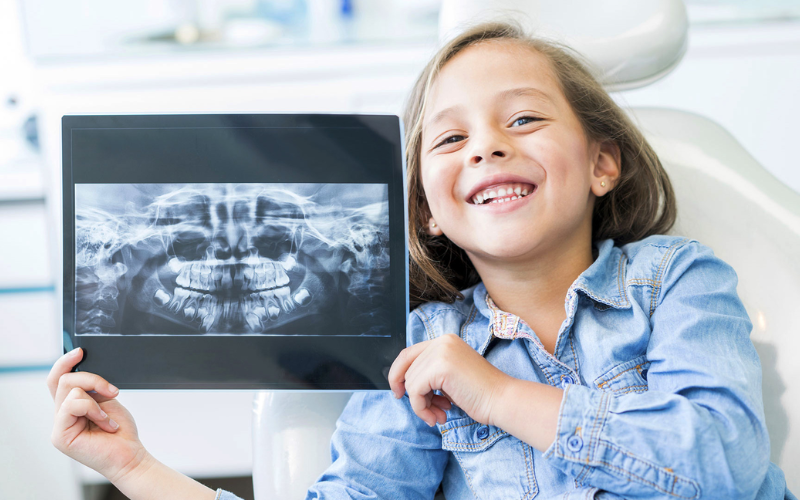
- Initial Assessment: Your dentist will first assess the issue, which may involve taking X-rays to understand the severity of the problem.
- Pain Management: Immediate pain relief may be offered, including local anesthesia or other painkillers.
- Treatment: Depending on the issue, the dentist may treat the problem immediately or schedule a follow-up appointment for more complex procedures.
Aftercare and Recovery Tips for Dental Emergencies
Proper aftercare is crucial to ensure successful recovery after a dental emergency.
- Pain Management: Follow the dentist’s instructions for managing pain post-treatment, including the use of pain relievers or cold compresses.
- Diet Recommendations: Stick to soft foods and avoid chewing on the treated area for a few days to promote healing.
- Follow-Up Appointments: Attend any follow-up appointments to ensure proper healing and to check if any additional treatments are needed.
Need To Schedule an Appointment?
If you are facing a dental emergency please contact our office, and we will ensure you are seen as soon as possible. Our patients are our priority, and we have flexible hours each day to accommodate all of our patients.
To schedule your appointment contact our office, and our staff will be happy to assist you.
People May Ask
What should I do if I suddenly experience a toothache?
If you’re hit with a sudden toothache, rinse your mouth with warm water to clean the area. Use dental floss gently to remove any particles that could be causing discomfort. Applying a cold compress to the outside of your cheek can help reduce any swelling. Avoid putting aspirin directly on your tooth or gums. Make sure to schedule an appointment with your dentist as soon as possible to figure out the underlying cause.
What should I do if a tooth gets knocked out?
If you lose a tooth, handle it carefully by the crown (top part). Gently rinse it with water, but don’t scrub or remove any tissue attached to the tooth. If possible, try to place the tooth back into its socket. If that’s not possible, keep the tooth in a container of milk or saline. Be sure to visit your dentist as quickly as possible—ideally within an hour—to have the best chance of saving the tooth.
When is it necessary to go to the emergency room instead of a dentist?
You should head to the emergency room if you experience severe facial injuries, uncontrollable bleeding, or rapid swelling that may block your airway. For dental emergencies such as toothaches, broken teeth, or missing crowns, it’s best to see a dentist directly.
Can a broken or chipped tooth be fixed?
Yes, broken or chipped teeth can generally be repaired. After assessing the damage, your dentist will recommend treatment based on how severe the break is. This may involve a bonding procedure, a crown, or other restorative options to restore both function and appearance.
How can I avoid dental emergencies?
Preventing dental emergencies involves a few simple practices. Wear a mouthguard when playing sports, never use your teeth to open bottles or packages, maintain good oral hygiene habits, and avoid foods that are too hard. Regular checkups at the dentist also help catch potential problems before they become serious.
What should I do if I lose a filling or crown?
If you lose a crown or filling, avoid chewing on the exposed tooth and keep the area clean. You can temporarily cover the area with dental wax or sugar-free gum until you can visit your dentist for a replacement. It’s important not to wait too long, as an exposed tooth can be sensitive or more prone to damage.