New Patients Welcome!


Cracked or Chipped Tooth? When a Root Canal Can Save Your Smile
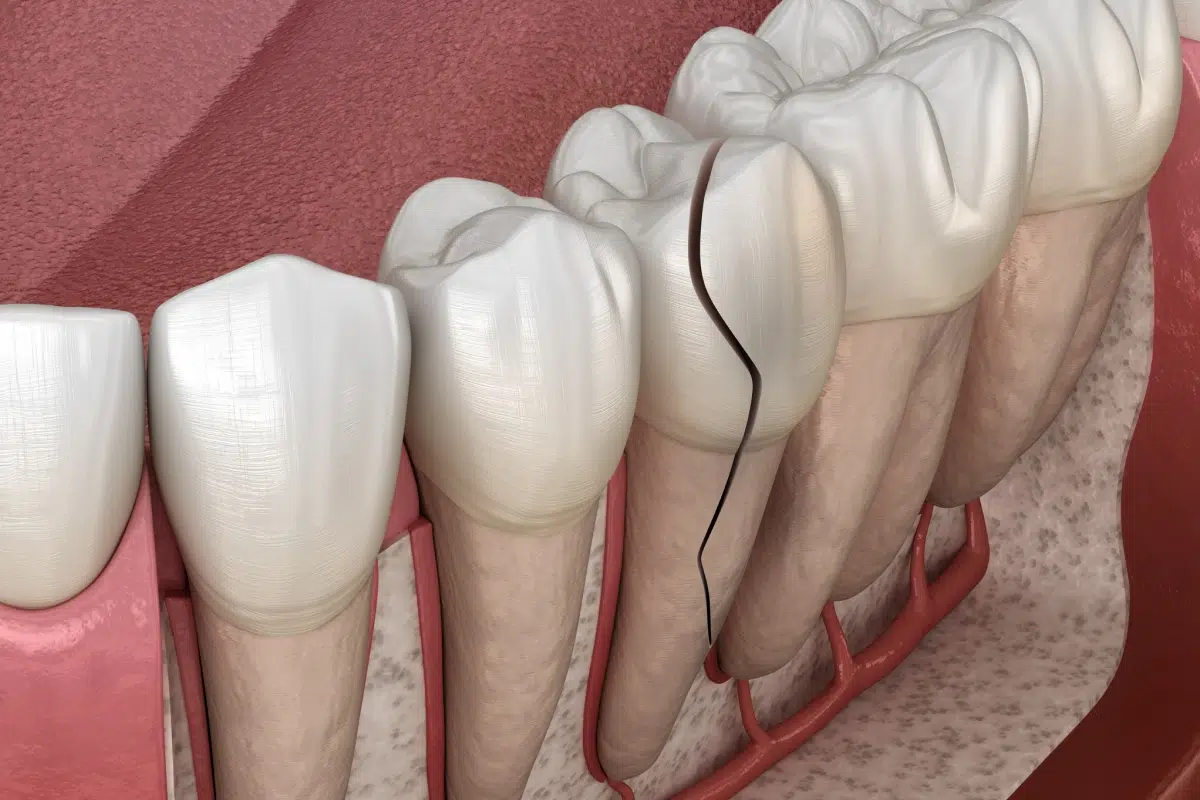
A tooth can become chipped or cracked, which is a major concern for anyone. However, the good news is that it does not always signify losing the tooth. With proper care, especially when the condition is caught early, root canal treatment may help save cracked teeth and enable them to work like any other tooth in the mouth. If you’re concerned about the pain or unsure whether a root canal is necessary, understanding the procedure and how it works can help you make an informed decision. Here’s everything you need to know about saving cracked teeth with a root canal.
What Causes Cracked Teeth?
A tooth can crack or chip for several reasons, which range from trauma to everyday habits. Some of the more common causes include:
- Accidents or falls: Any sudden impact may be enough to crack or break a tooth.
- Chewing on hard foods: These can easily cause a crack by biting down on something too hard.
- Teeth grinding: Grinding or clenching your teeth can increase your risk of developing cracks.
- Old fillings: The older the fillings are, the more the surrounding tooth will weaken and possibly crack.
Regardless of the reason, it is crucial to treat a cracked tooth promptly to prevent further damage.
When is a Root Canal the Solution?
A root canal might be recommended when the crack or chip extends to the pulp of the tooth, which contains the nerves and blood vessels. Here are some key signs you may need a root canal to save a cracked tooth:
Severe Pain or Sensitivity
If you experience pain while chewing or sensitivity to hot or cold that persists long after the stimulus is removed, it could mean that the pulp inside the tooth is damaged. A root canal can relieve such pain and help you retain your tooth.
Visible Damage to the Tooth
Sometimes a cracked tooth can appear as a visible crack or chip, but the actual crack can extend below the surface. A dentist can evaluate the extent of the crack that you may not be able to see and suggest the best course of action for treatment. If that crack extends into the pulp, root canal treatment will generally be required to prevent infection.
Swelling or Tenderness Around the Tooth
If you find your gums swollen or tender around the affected tooth, that may indicate the infection has reached the root of the tooth. Root canal treatment is often the best way to clear up the infection and preserve your smile.
How Does a Root Canal Save Cracked Teeth?
A root canal is a dental procedure that involves removing infected or damaged pulp inside the tooth and sealing the space to prevent further infection. Here is the general overview of the procedure:
- Initial Examination: This involves the dentist examining the tooth and taking X-rays to determine the extent of the crack and the necessity of a root canal treatment.
- Numbing: The area is treated with local anesthesia to ensure your comfort during the procedure.
- Cleaning the Tooth: The dentist removes the damaged pulp and cleans the inside of the tooth.
- Sealing: After cleaning, the dentist seals the tooth to prevent further infection.
- Restoration: Most often, a crown is placed over the tooth to protect it and restore its functionality.
What Are the Benefits of a Root Canal?
- Pain Relief: If the tooth has been bothering you, a root canal significantly relieves the discomfort by taking out the source of the pain.
- Prevents Tooth Loss: Instead of removing the tooth, a root canal helps save it, hence saving your natural smile.
- Restores Function: After treatment, the tooth is restored, allowing one to chew or bite without problems.
When to Seek Treatment?
If any of the signs above occur, it is essential to schedule an immediate appointment with your dentist. The earlier a fractured tooth is treated, the better the chance that a root canal treatment will restore it. Waiting longer might result in greater damage: infection could then lead to the potential loss of the tooth.
Look for a dentist in Seattle who has experience performing root canal treatments, ensuring the best possible outcomes for your smile.
How to Avoid Cracked Teeth
While not all cracks are preventable, there are steps you can take to reduce your risk:
- Wear a mouthguard: If you participate in sports or grind your teeth, consider using a mouthguard to protect your teeth.
- Avoid hard foods: Be mindful of chewing on ice or hard candies.
- Practice good oral hygiene: Healthy teeth are less likely to crack. Regular brushing and flossing can help prevent cavities, which can weaken your teeth and lead to further dental issues.
Whether one’s tooth is chipped or cracked, root canal treatment may be the right solution to restore that smile. If treated early with professional dental care, one can avoid the need for tooth extraction, thereby retaining their natural teeth. Don’t let a cracked tooth ruin your smile; take action today and protect your oral health.


