New Patients Welcome!


Are You Actually a Denture Candidate? What to Expect
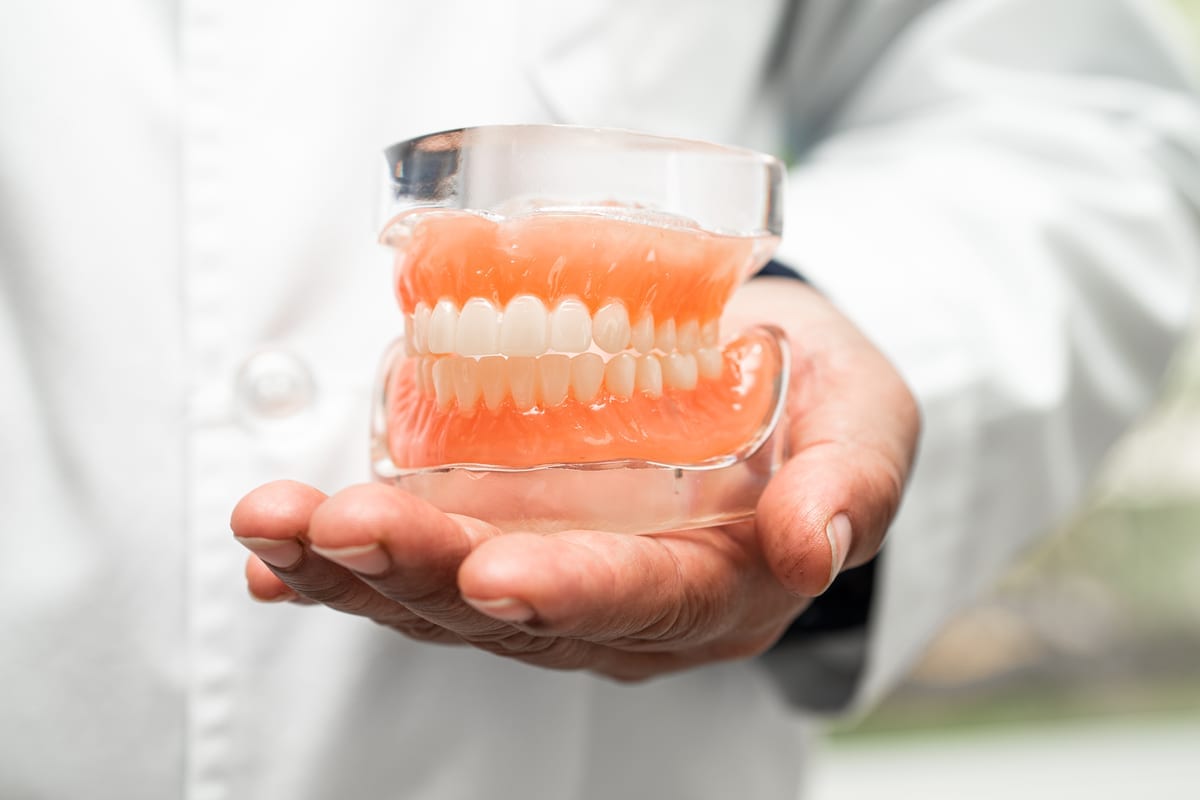
If you’ve been living with failing, missing, or painful teeth, you’ve probably wondered whether dentures are the right solution for you. Many Seattle patients ask this exact question before scheduling a consultation. Understanding who qualifies — and what the process actually involves — can take a lot of the mystery and fear out of the decision. This guide walks you through candidacy, the extraction process, the healing timeline, and what you can expect at each stage of your denture journey at White Center Smiles.
Who Is a Denture Candidate in Seattle?
Not everyone is automatically a candidate for dentures. Dr. Tofunmi Osundeko evaluates each patient individually to determine the best path forward. Generally, you may be a strong candidate if you have multiple missing teeth, severe decay, or advanced gum disease that cannot be reversed with standard treatment.
Patients who are candidates typically share a few common factors:
- Several teeth are missing or non-restorable due to decay or damage
- Significant bone loss has occurred in the jaw
- Gum disease is advanced and has compromised multiple teeth
- Overall oral health makes saving individual teeth impractical
- The patient is in good enough general health to handle extractions
Age is not a defining factor on its own. Younger adults with severe dental disease can be candidates, just as older adults with relatively healthy gums may not need dentures at all. A thorough exam — including X-rays — helps Dr. Osundeko build the most accurate picture of your situation.
What If You Still Have Some Teeth?
Many patients assume they must lose all their teeth before dentures become an option. That’s not always true. Partial dentures are designed specifically for people who have some healthy teeth remaining. A partial denture fills the gaps while anchoring to your existing teeth for stability.
Full dentures, on the other hand, are used when all teeth in an arch are missing or need to be removed. Dr. Osundeko will discuss which option fits your clinical needs and your lifestyle. Sometimes, a combination approach — retaining a few teeth to support a partial — offers better function and comfort.
It’s also worth noting that dentures aren’t the only option for tooth replacement. Dental implants, for example, offer a fixed, long-term alternative. During your consultation, Dr. Osundeko will compare all relevant options so you can make a confident, informed decision. Patients interested in improving their overall smile appearance may also want to explore Cosmetic Dentistry Seattle services that complement restorative care.
The Extraction and Healing Timeline: What to Expect
If you still have teeth that need to be removed before dentures are placed, extraction is the first step. Dr. Osundeko performs extractions with care to minimize discomfort and preserve as much bone as possible. Local anesthesia is used, and sedation options are available for anxious patients.
Here is a general timeline of what the process looks like after extractions:
- Days 1–3: Swelling and mild soreness are normal. Soft foods and rest are recommended.
- Week 1–2: Gum tissue begins to close over the extraction sites. Discomfort decreases significantly.
- Weeks 3–8: Soft tissue healing continues. The jaw and gums are still reshaping beneath the surface.
- Months 3–6: Bone remodeling stabilizes. This is typically when final, permanent dentures are fitted.
Healing varies from patient to patient. Factors like overall health, smoking history, and the number of extractions all influence recovery speed. Dr. Osundeko monitors your progress at follow-up visits to ensure healing is on track before moving to the next stage.
Immediate Dentures vs. Conventional Dentures
One concern patients commonly raise is the idea of going without teeth during the healing period. Immediate dentures address this directly. These are fabricated in advance and placed the same day as your extractions — so you leave the office with teeth.
Immediate dentures do require more adjustments as your gums heal and reshape. They act as a placeholder while the tissue settles. Once healing is complete, conventional dentures are made to fit your stabilized jaw accurately.
Conventional dentures take more time upfront but tend to fit more precisely right from the start. Both options have genuine advantages depending on your circumstances. Dr. Osundeko will help you weigh them based on your timeline, comfort priorities, and clinical needs. Patients who want to address minor chips or discoloration on remaining teeth before completing their restoration may also ask about Dental Bonding Seattle as a complementary treatment.
Life With Dentures: Adjusting and Thriving
Getting used to dentures takes time. Most patients notice changes in speech and chewing during the first few weeks. This is completely normal. Your mouth and muscles adapt as you wear your dentures daily.
A few practical tips for the adjustment period:
- Start with soft foods cut into small pieces
- Practice speaking aloud to speed up speech adjustment
- Use denture adhesive if recommended by Dr. Osundeko
- Remove and clean dentures nightly to maintain gum health
- Attend all scheduled follow-up appointments for adjustments
Over time, most patients find that dentures feel natural and restore both function and confidence. Regular checkups at White Center Smiles allow Dr. Osundeko to monitor fit, check for gum changes, and make any necessary relines or repairs to keep your dentures comfortable and functional.
Frequently Asked Questions
How do I know if I need full or partial dentures?
This depends on how many teeth remain and whether those teeth are healthy enough to support a partial denture. Dr. Osundeko will evaluate your mouth thoroughly — including X-rays — to determine which type best fits your clinical situation and lifestyle needs.
How long does the entire denture process take from start to finish?
The timeline varies based on whether extractions are needed and how quickly your gums heal. For patients requiring extractions, the process from start to final placement can take anywhere from three to six months. Immediate dentures can shorten the time without teeth, but adjustments are still needed as healing progresses.
Will dentures affect how I eat and speak?
There is an adjustment period during which eating certain foods and speaking clearly may feel different. Most patients adapt within a few weeks. Starting with softer foods and practicing speech at home helps speed up the process considerably.
Are dentures a permanent solution?
Dentures are long-lasting but not permanent in the way implants are. They typically need to be relined, rebased, or replaced every five to ten years as your jaw naturally changes shape over time. Regular checkups help Dr. Osundeko monitor fit and recommend updates before problems arise.
Can I sleep with my dentures in?
Most dental professionals recommend removing dentures at night. Giving your gum tissue a rest period helps maintain oral health and reduces the risk of irritation or fungal growth. Dr. Osundeko will give you specific care instructions tailored to your type of denture and individual situation.
If you’re ready to find out whether dentures are the right choice for your smile, Dr. Tofunmi Osundeko and the team at White Center Smiles in Seattle are here to guide you every step of the way. Book Now to schedule your appointment with our team.