New Patients Welcome!


Keep Your Smile Healthy: What Dentists Wish You’d Do Between Visits

Most people think dental health happens in the dentist’s chair. The truth is, what you do between appointments matters just as much. At White Center Smiles in Seattle, Dr. Tofunmi Osundeko sees the difference every day. Patients who maintain good habits between visits consistently have healthier smiles. If you want to keep your smile healthy — what dentists wish you’d do between visits in Seattle is simpler than you think.
Master the Right Brushing Technique
Brushing twice a day sounds simple. But most people brush in a way that leaves plaque behind. The angle and motion of your brush matter more than how hard you press.
Use a soft-bristled toothbrush and hold it at a 45-degree angle to your gumline. Use short, gentle circular strokes — not back-and-forth scrubbing. Aggressive brushing can wear down enamel and irritate gums over time.
Brush for a full two minutes, every single time. Many people stop at 45 seconds without realizing it. Try using a timer or an electric toothbrush with a built-in pacer.
- Use a soft-bristled brush — medium or hard bristles damage enamel
- Brush at a 45-degree angle toward your gumline
- Spend 30 seconds on each quadrant of your mouth
- Replace your toothbrush every three months
- Brush your tongue to remove bacteria and freshen breath
Floss Daily — And Do It Correctly
Flossing is the step most patients skip. Yet it cleans about 35% of each tooth’s surface that a brush simply cannot reach. Skipping floss means leaving a third of your teeth uncleaned every day.
Use about 18 inches of floss and wind most of it around your middle fingers. Gently slide the floss between each tooth using a C-shape motion. Curve it around each tooth and slide it just below the gumline.
If traditional floss frustrates you, try floss picks, a water flosser, or interdental brushes. The best tool is the one you will actually use consistently. Dr. Osundeko recommends finding what works for your lifestyle and sticking with it.
Make Smart Diet Choices to Protect Your Teeth in Seattle
What you eat directly affects your smile health between visits. Sugary and acidic foods fuel the bacteria that cause cavities. Making small, intentional diet changes can protect your enamel every single day.
Limit sugary snacks, sodas, and sports drinks. When you do consume them, rinse with water immediately after. Avoid sipping on acidic drinks throughout the day — that constant exposure weakens enamel steadily.
Focus on tooth-friendly foods instead. Crunchy vegetables like carrots and celery naturally clean teeth surfaces. Dairy products contain calcium and phosphate, which help strengthen enamel and remineralize teeth.
- Drink more water — it rinses away food and bacteria
- Choose cheese, nuts, and leafy greens as smile-friendly snacks
- Limit citrus fruits and vinegar-heavy foods
- Avoid chewing on ice, pens, or hard candy
- Chew sugar-free gum with xylitol after meals to stimulate saliva
Choose the Right Products Between Visits
The dental aisle at any Seattle pharmacy can feel overwhelming. Knowing which products actually work helps you make better choices. Not every product that claims to whiten or protect actually delivers results.
Use a fluoride toothpaste approved by the American Dental Association. Fluoride strengthens enamel and is one of the most proven cavity-prevention tools available. If you have sensitivity, look for a toothpaste formulated specifically for sensitive teeth.
A fluoride mouth rinse adds an extra layer of protection after brushing. Avoid alcohol-based rinses if you have dry mouth — they can make dryness worse. Ask Dr. Osundeko about prescription-strength fluoride options if you are cavity-prone.
How Cosmetic Treatments Require Extra At-Home Care
If you have invested in Cosmetic Dentistry Seattle treatments, your at-home routine matters even more. Veneers, whitening, and other cosmetic results depend on consistent maintenance. Neglecting daily care can shorten the lifespan of your investment significantly.
For example, Dental Bonding Seattle can chip if you bite your nails, chew on pens, or eat very hard foods. Avoiding these habits extends the life of your bonding dramatically. Treat your cosmetic work gently and it will reward you with years of beautiful results.
Clear aligner patients should clean their trays daily and brush after every meal before reinserting them. Ignoring this step traps bacteria and sugar against your teeth for hours. Consistency between visits is what makes cosmetic outcomes last.
Recognize Warning Signs Between Appointments
Staying proactive between visits also means knowing when to call your dentist. Certain symptoms should never wait until your next scheduled checkup. Catching problems early prevents them from becoming bigger and more complex issues.
Contact White Center Smiles right away if you notice any of the following. Do not wait for your next routine visit if these appear.
- Persistent tooth sensitivity to hot or cold
- Bleeding gums that do not improve after better brushing
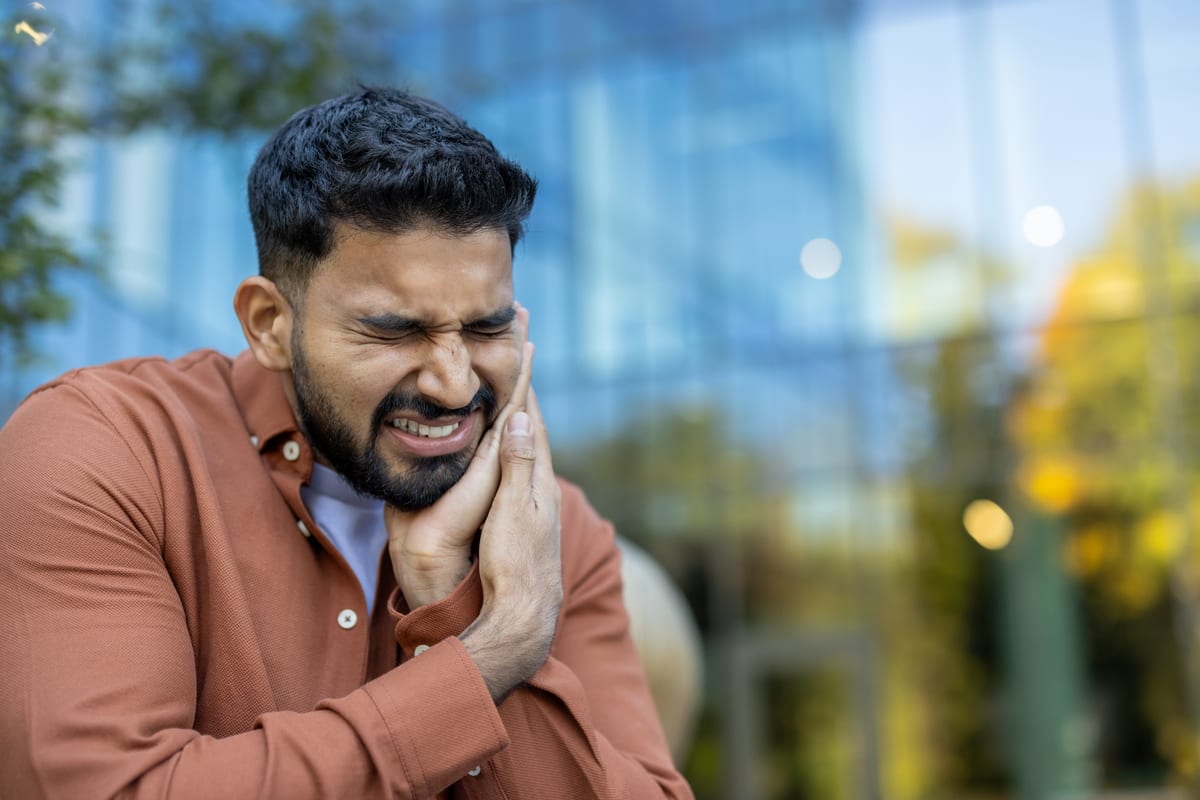
- A toothache or unexplained jaw pain
- A loose tooth or cracked feeling in a tooth
- White spots, sores, or unusual patches in your mouth
Early intervention almost always leads to simpler, more affordable treatment. Dr. Osundeko and the White Center Smiles team are here to help whenever something feels off.
Conclusion: Small Habits Lead to Big Results
Keeping your smile healthy between dental visits does not require complicated routines. It requires consistent, intentional daily habits. The right brushing technique, regular flossing, smart food choices, and quality products all add up to a healthier mouth. Seattle patients who commit to these steps arrive at their checkups with noticeably better results — and fewer surprises in the chair. Book Now to schedule your appointment with our team.
Frequently Asked Questions
How often should I replace my toothbrush?
Replace your toothbrush every three months, or sooner if the bristles look frayed. A worn toothbrush cleans less effectively and may harbor bacteria. After being sick, replace it right away to avoid reinfection.
Is a water flosser as effective as regular floss?
Water flossers are excellent for removing food and reducing bacteria between teeth. They work especially well for people with braces, implants, or bridges. However, traditional floss still provides a more thorough clean along the gumline for most patients.
Can diet changes really prevent cavities?
Absolutely. Limiting sugar and acid in your diet significantly reduces the fuel that cavity-causing bacteria need. Pairing dietary changes with proper brushing and flossing creates a powerful defense against decay.
How do I maintain my cosmetic dental work at home?
Use a non-abrasive toothpaste on veneers and bonding to avoid surface scratches. Avoid biting hard objects and limit staining drinks like coffee and red wine. Your dentist may recommend a custom night guard if you grind your teeth during sleep.
When should I call my dentist between scheduled appointments?
Call your dentist if you experience tooth pain, sensitivity, swelling, bleeding gums that do not improve, or a cracked or loose tooth. These symptoms may signal issues that need prompt attention. Do not wait for your next routine visit — early treatment leads to better outcomes.