New Patients Welcome!


Root Canal Infections: Symptoms, Causes, and Prevention
A root canal infection can be one of the most uncomfortable and painful dental issues you can face. Unfortunately, many people are unaware of the risks associated with untreated dental problems and how these can lead to infections that require extensive treatment.
Understanding root canal infections can help you avoid pain, costly treatments, and even tooth loss. Early recognition and proper prevention can make a world of difference in maintaining your dental health.
In this blog, we’ll explore the symptoms that signal a potential root canal infection, the causes behind these infections, and the preventive measures you can take to avoid them. By the end, you’ll know how to protect yourself from unnecessary pain and costly treatments.
What is a Root Canal Infection?
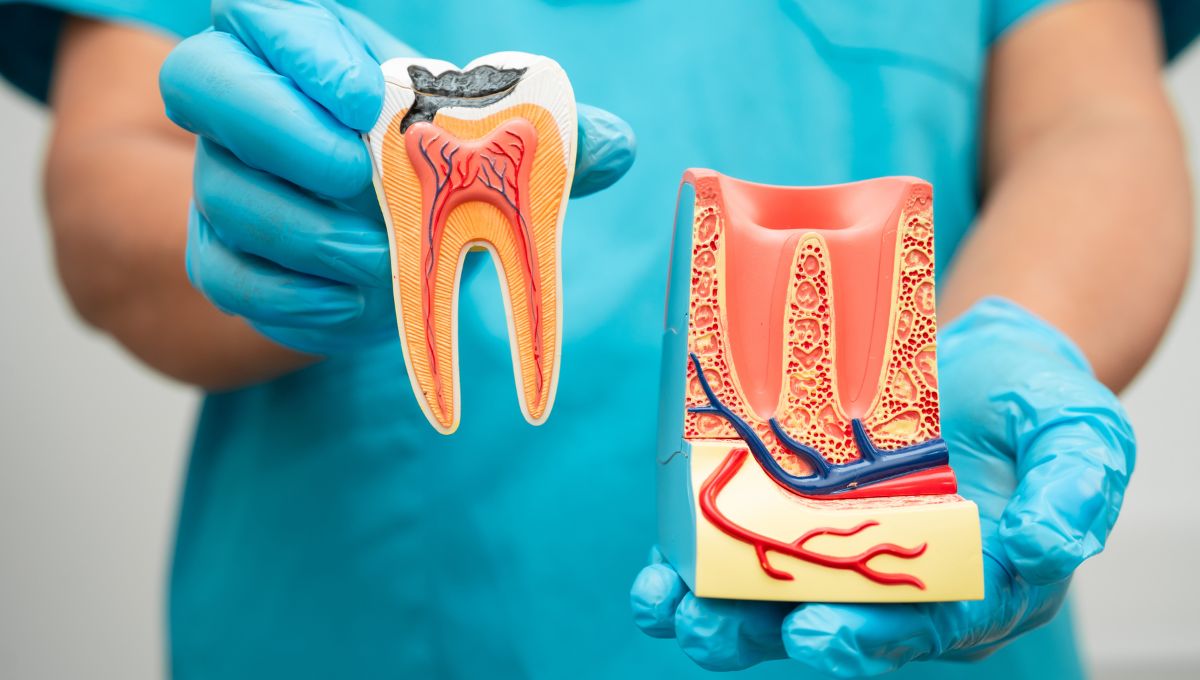
A root canal is a dental procedure used to treat infection at the center of a tooth, which contains soft tissue known as the pulp. The pulp houses blood vessels, nerves, and connective tissue that are essential for tooth growth and health. When this pulp becomes infected due to decay or injury, the infection can spread to the surrounding tissues, often resulting in extreme pain and the need for a root canal treatment.
The infection starts when bacteria enter the pulp through a crack, deep cavity, or chip in the tooth. Once inside, the bacteria multiply, causing swelling, pain, and a potential abscess. If left untreated, this infection can compromise the tooth’s structure and lead to more severe health issues. Here comes the role of root canal treatment in Seattle.
At White Center Smiles, we understand the significance of addressing these infections early. Root canal infections often present themselves through specific signs such as persistent pain or sensitivity. The longer the infection goes untreated, the more likely it is to spread, making the procedure more complicated and the pain more intense.
Symptoms of Root Canal Infections
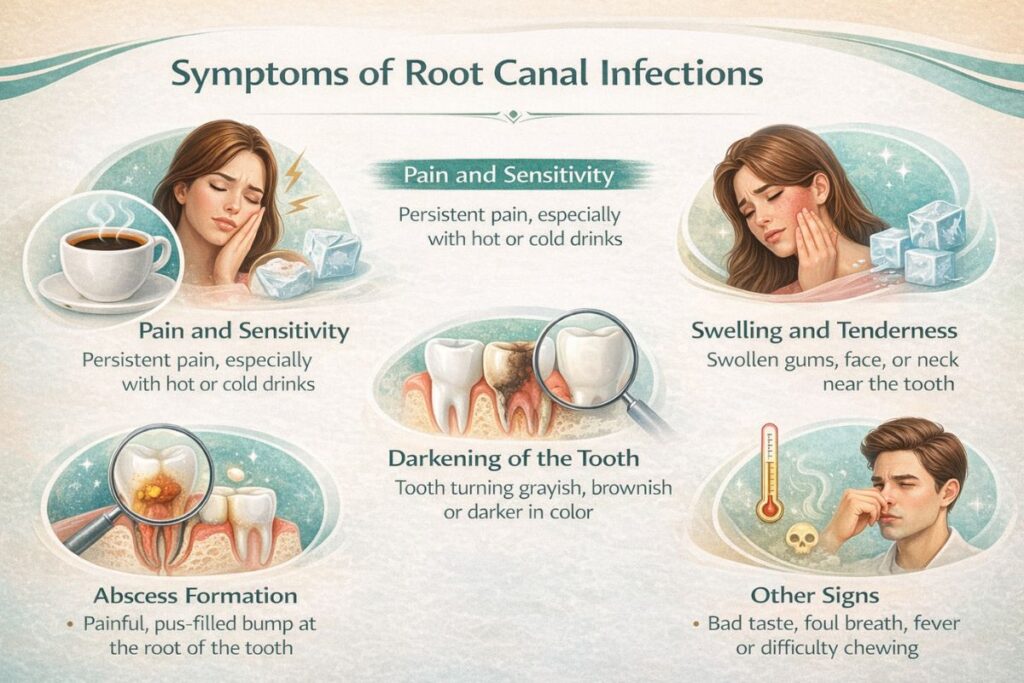
A root canal infection is often accompanied by various symptoms that, when recognized early, can save you from more serious complications. Let’s go through the most common signs of a root canal infection:
- Pain and Sensitivity: One of the first signs of an infected root canal is persistent pain or sensitivity. You may feel sharp pain when eating or drinking hot or cold beverages. The pain might linger for a while and is often severe enough to disrupt daily activities. This sensitivity happens because the nerves inside the infected pulp are reacting to temperature changes.
- Swelling and Tenderness: Swelling around the tooth or gum area is another sign. The tissues around the infected tooth may become red and swollen. Sometimes, you might notice that the swelling extends to your face or neck, causing discomfort and making it difficult to move your jaw.
- Darkening of the Tooth: A root canal infection can cause the affected tooth to become darker. The pulp infection can lead to a change in the tooth’s color, turning it from white or yellowish to grayish or brown. This discoloration often signifies that the tooth’s internal health has been compromised.
- Abscess Formation: An abscess at the tip of the tooth’s root is one of the most alarming signs of a root canal infection. Abscesses are pus-filled sacs that form as a result of bacterial infection. Not only are abscesses painful, but they also pose a risk of spreading the infection to nearby tissues and bones.
- Other Signs: Some people may experience additional symptoms like a bad taste or smell in their mouth due to pus leakage from the infected tooth, fever, or difficulty chewing. If you notice these signs, it’s crucial to visit your dentist as soon as possible.
At White Center Smiles, we urge patients not to ignore these signs. Early intervention can prevent further damage and ensure that the infection doesn’t spread.
Causes of Root Canal Infections
Understanding the causes behind root canal infections is key to preventing them. Let’s explore some of the primary factors:
- Untreated Cavities: Deep cavities that are not treated properly can reach the pulp of the tooth, leading to infection. If you have a cavity that has been left untreated, it can spread, infecting the soft tissue inside the tooth. Regular dental check-ups are essential in identifying these problems before they worsen.
- Trauma to the Tooth: A cracked or chipped tooth can also allow bacteria to enter the pulp and cause an infection. Even if the crack seems minor, the infection can gradually develop and worsen over time. If you’ve recently experienced a blow to the mouth or tooth, it’s important to visit your dentist, even if you aren’t in pain right away.
- Previous Dental Procedures: Sometimes, earlier dental work can lead to root canal infections. If a filling or crown is not properly placed or if it becomes loose, bacteria can enter and cause an infection. Ensuring that your dental restorations are well-maintained is crucial for long-term oral health.
- Poor Oral Hygiene: Neglecting proper oral hygiene can lead to a build-up of plaque and bacteria, which can eventually lead to tooth decay. When plaque accumulates and is not removed with regular brushing and flossing, it can cause cavities, which in turn can lead to an infection in the root canal.
Maintaining consistent oral hygiene and seeking professional care when needed are essential to reducing the risk of these infections. Regular cleanings and check-ups at White Center Smiles can ensure your teeth remain healthy and free from infection.
Prevention of Root Canal Infections
Preventing a root canal infection is much easier than treating one. Here are a few simple yet effective ways to reduce your risk:
- Maintaining Good Oral Hygiene: Brushing your teeth twice a day and flossing daily are the best ways to remove plaque and prevent cavities from forming. Using a fluoride toothpaste helps strengthen your enamel, making it more resistant to decay.
- Regular Dental Checkups: Regular visits to your dentist are crucial in detecting early signs of infection. Dentists can identify cavities, cracks, and other issues before they become major problems. At White Center Smiles, we recommend biannual check-ups for most patients to ensure their teeth remain healthy.
- Addressing Cavities Early: If you notice a cavity or experience discomfort, it’s essential to get it treated as soon as possible. Early fillings can prevent bacteria from reaching the root canal and causing an infection.
- Using Mouthguards: If you play contact sports or grind your teeth at night, consider wearing a mouthguard. This can help protect your teeth from injury and prevent cracks or chips that could lead to infections.
- Avoiding Excessive Sugar: Diet plays a significant role in dental health. A diet high in sugary foods increases the risk of cavities and tooth decay, which can lead to root canal infections. Limiting sugary snacks and drinks can help protect your teeth from decay.
When to Seek Treatment
If you experience any symptoms of a root canal infection, it’s important to see a dentist right away. Delaying treatment can lead to serious complications, including an abscess that can spread to nearby tissues. At White Center Smiles, we offer root canal treatment in Seattle to address infections promptly and effectively.
Seeking treatment early can help prevent the need for more extensive procedures, such as tooth extraction. Infections that are left untreated can lead to permanent tooth loss and other oral health problems. Don’t wait for the pain to get worse. Contact us for a consultation as soon as you notice any symptoms.
In this blog, we’ve discussed the symptoms, causes, and prevention of root canal infections. Early detection and prevention are key to maintaining a healthy smile and avoiding painful treatments.
If you think you might have a root canal infection, don’t wait. Schedule an appointment with White Center Smiles today. Our team of professionals is here to help you maintain your oral health and get you the treatment you need.
Book an Appointment Today! Reach out to White Center Smiles to book a consultation or to learn more about our root canal treatments.
What People Ask
What are the symptoms of a root canal infection?
Symptoms include pain, swelling, tooth discoloration, and abscess formation at the root tip.
Can a root canal infection spread?
Yes, if untreated, the infection can spread to surrounding tissues, potentially causing more severe health issues.
Can I prevent a root canal infection?
Yes, regular brushing, flossing, and dental checkups can help prevent root canal infections by addressing issues like cavities early.
How do I know if I need a root canal?
Symptoms like severe tooth pain, sensitivity, swelling, and tooth discoloration may indicate the need for a root canal.
How long does it take to recover from a root canal?
Recovery typically takes a few days, with most patients resuming normal activities within a week.