New Patients Welcome!


Can Diabetic Patients Get Dental Implants?
Are you a diabetic wondering if dental implants are an option for you? If so, you’re not alone. Many people with diabetes wonder if they can take advantage of dental implants to replace missing teeth, given the complexities of managing their condition. Good dental care is essential for everyone, but it’s even more crucial for diabetic patients, as the condition can affect healing times and increase the risk of complications.
This blog will explore whether diabetic patients are eligible for dental implants, what factors come into play, and how they can ensure the best possible outcome when choosing this option.
Understanding Dental Implants
What Are Dental Implants?
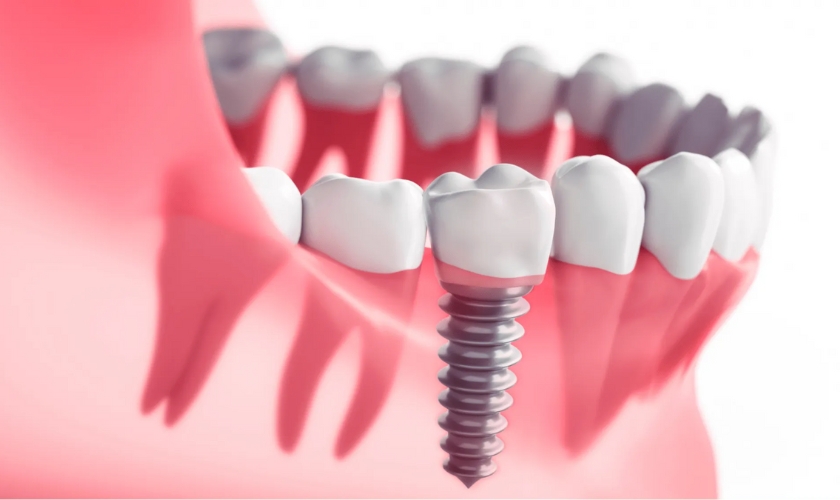
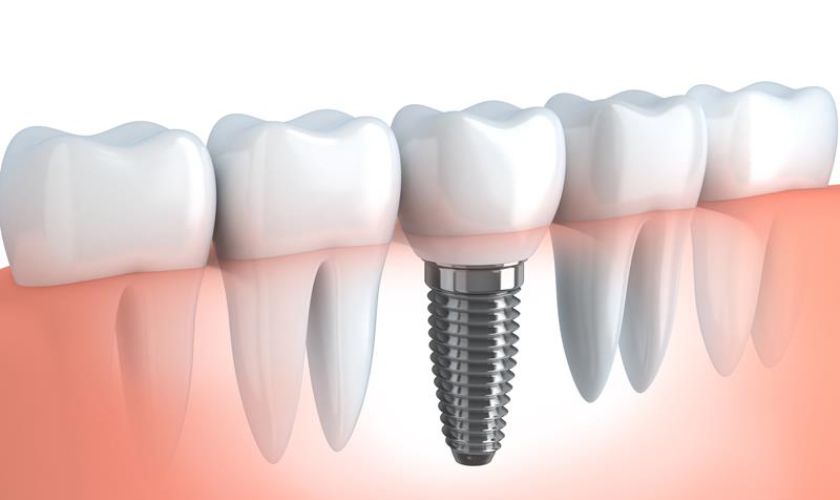
Dental implants are modern, durable solutions designed to replace missing or damaged teeth. They consist of titanium posts that are surgically placed into the jawbone to act as a stable foundation for artificial teeth, such as crowns, bridges, or dentures. Unlike traditional dentures or bridges, dental implants are a more permanent solution, offering comfort and function similar to that of natural teeth.
Implants are highly popular because they look, feel, and function just like real teeth. The titanium material integrates with the jawbone in a process known as osseointegration, which ensures the implant remains secure for years to come.
The Implant Procedure
The dental implant process typically involves several steps:
- Consultation and Assessment: Your dentist will assess your oral health, jawbone density, and overall health. A thorough consultation is essential for planning the procedure.
- Placement of the Implant: During a surgical procedure, the implant post is placed into the jawbone beneath the gum line. This step may require local anesthesia and sedation for comfort.
- Healing and Osseointegration: Over several months, the titanium post fuses with the jawbone, creating a strong, stable base for the artificial tooth.
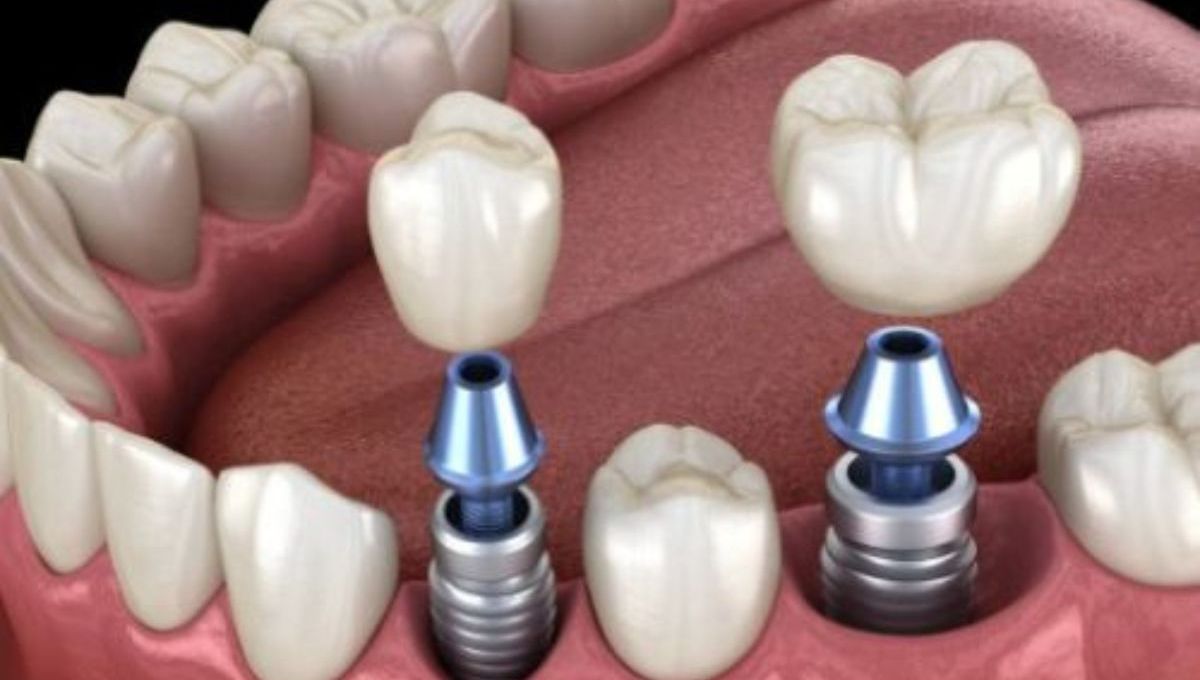
- Attachment of the Abutment and Crown: Once the implant is securely integrated, a custom abutment and crown are attached to the implant, completing the restoration.
The procedure can be done in stages, and healing time varies from person to person. In some cases, patients might require bone grafting if their jawbone isn’t strong enough to support the implant.
Can Diabetic Patients Get Dental Implants?
Impact of Diabetes on Healing
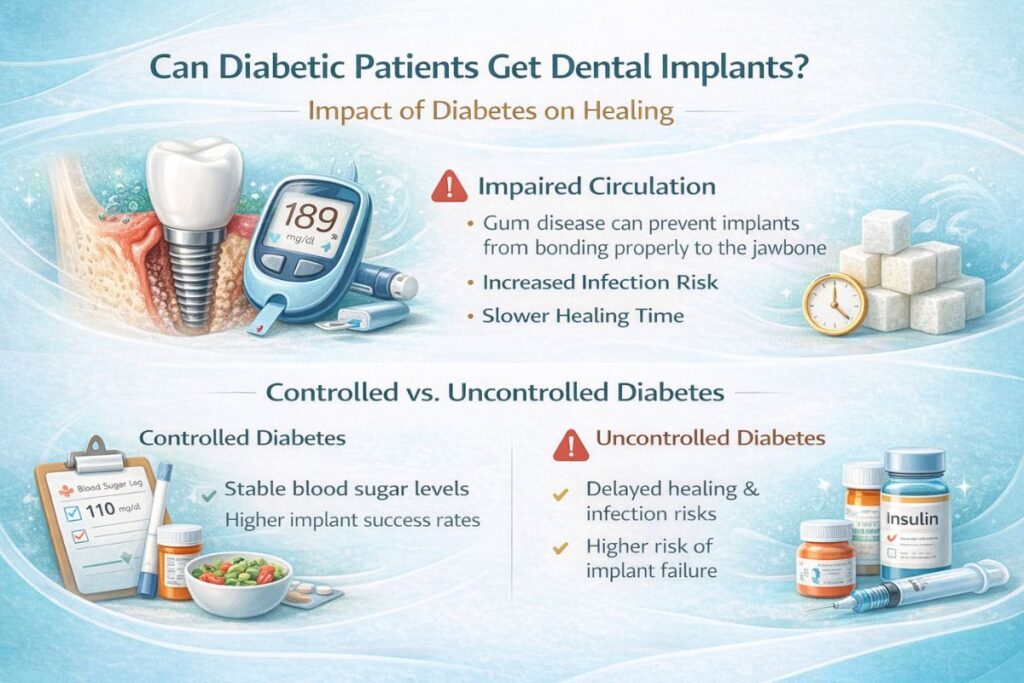
Diabetes can significantly affect the body’s ability to heal after a surgical procedure, including dental implant surgery. This is because high blood sugar levels can impair circulation, reduce the body’s natural ability to fight infections, and hinder tissue regeneration.
Healing is a crucial part of the dental implant process, where the titanium post must integrate with the jawbone in a process called osseointegration. For diabetic patients, slower healing times and an increased risk of infection are common concerns that can affect the success of the implant.
For instance, the body’s ability to form healthy blood clots, which is essential in the early stages of healing, is compromised in people with diabetes. Additionally, the immune system’s ability to respond to infections is weaker, making it harder for diabetic patients to recover from complications like gum infections or bone inflammation that could arise post-surgery.
Controlled vs. Uncontrolled Diabetes
The success of dental implants in Seattle in diabetic patients is significantly influenced by how well the diabetes is controlled. Controlled diabetes refers to maintaining stable blood sugar levels within a recommended range through medication, diet, and lifestyle changes. Diabetic patients who manage their blood sugar levels effectively tend to experience fewer complications, faster healing, and higher success rates with dental implants.
On the other hand, uncontrolled diabetes poses greater risks for implant failure. Elevated blood sugar levels can delay healing, increase the chances of infection, and impair the body’s ability to integrate the implant properly. When blood glucose levels are consistently high, it can lead to poor osseointegration, which means the implant might not fuse properly with the bone, resulting in a failure of the implant to remain secure.
Patients must work closely with both their dentist and healthcare provider to ensure their blood sugar levels are in check before undergoing dental implant surgery. In some cases, a dentist may recommend postponing the procedure until the patient’s diabetes is better managed.
What Research Says
Research indicates that diabetic patients who maintain good control of their blood sugar levels can expect success rates with dental implants similar to those of non-diabetic patients. According to studies published in the Journal of Prosthetic Dentistry and other dental research, implant success rates for well-controlled diabetics can reach up to 95% or higher. However, for patients with poorly controlled diabetes, the failure rates can be significantly higher, with some studies reporting a failure rate of up to 20%.
Dental professionals generally agree that, while diabetes presents challenges, with careful planning, proper management, and ongoing monitoring, diabetic patients can achieve successful dental implant outcomes. Many practices, like White Center Smiles, specialize in managing diabetic patients’ needs throughout the process, ensuring a safe and successful dental implant procedure.
The key takeaway is that controlled diabetes significantly improves the chances of success, while uncontrolled diabetes increases the risks associated with dental implants.
Key Considerations for Diabetic Patients
Managing Blood Sugar Levels
To ensure the best outcome with dental implants, it’s crucial to manage your blood sugar levels effectively. Diabetic patients should aim to maintain their blood glucose within the target range as prescribed by their healthcare provider.
This not only helps with healing but also minimizes the risk of infection and other complications during the dental implant process. Before your procedure, your dentist at White Center Smiles will likely advise you to work with your primary healthcare provider to ensure that your diabetes is well-controlled.
Potential Risks
While dental implants are a highly effective treatment, they do come with some risks for diabetic patients. These risks include:
- Delayed healing: As mentioned, diabetes can slow down the healing process, which might extend recovery times.
- Infection: Since diabetes can impair immune function, there is an increased risk of infection following the implant procedure.
- Implant failure: In some cases, if blood sugar levels are not managed appropriately, implants might fail to integrate with the jawbone.
These risks can be minimized with careful planning, consistent blood sugar management, and by working with a dentist in Seattle who understands the specific needs of diabetic patients.
Pre-Surgery Assessment
Before undergoing dental implant surgery, a thorough pre-surgery assessment is essential. Your dentist will evaluate your overall health, including your diabetes management, to determine if dental implants are the right option for you. They may also suggest alternative treatments, such as bridges or dentures, if implants are not viable due to health concerns.
How to Ensure Successful Implant Placement
Consultation with Specialists
If you are diabetic and considering dental implants in Seattle, it’s important to consult with a dentist who has experience treating diabetic patients. At White Center Smiles, our team is knowledgeable in handling the unique needs of diabetic patients, ensuring that your treatment plan is personalized for the best possible outcome.
Post-Op Care
After your dental implant procedure, proper post-op care is crucial. Diabetic patients should follow all aftercare instructions carefully to avoid complications. These include:
- Good oral hygiene: Keeping the implant site clean is essential to prevent infection.
- Regular check-ups: Frequent follow-up visits are important to monitor the healing process and make sure the implant is integrating properly with the jawbone.
- Diet and lifestyle: Maintaining a balanced diet and continuing regular exercise can also help support your recovery.
By following these steps and maintaining good communication with your dental team, you can significantly improve the chances of a successful dental implant procedure.
In conclusion, diabetic patients can absolutely get dental implants, but success largely depends on managing blood sugar levels and following a careful treatment plan. With the right approach, dental implants can be a lasting solution for missing teeth, restoring both function and confidence.
If you’re diabetic and interested in dental implants, schedule a consultation with White Center Smiles today. Our team is dedicated to helping you achieve a healthy, beautiful smile while carefully managing your diabetes to ensure the best possible results.
People Also Ask
How long does it take to recover from dental implant surgery if you have diabetes?
Recovery time can be longer for diabetic patients, but following proper care and maintaining blood sugar levels can improve healing.
Are dental implants more expensive for diabetic patients?
The cost of dental implants doesn’t change based on diabetes, but diabetic patients may require more pre-surgery consultations or monitoring.
Is there any special care I need after dental implant surgery if I’m diabetic?
You should maintain good oral hygiene, follow your dentist’s aftercare instructions, and keep your blood sugar levels stable to reduce the risk of complications.
How long do dental implants last for diabetic patients?
With proper care and stable blood sugar levels, dental implants can last 10-20 years or longer, similar to non-diabetic patients.
Can smoking affect the success of dental implants in diabetic patients?
Yes, smoking can increase the risk of complications like infection and delayed healing, especially in diabetic patients.