New Patients Welcome!


Does The Tooth Pain Increase Days After Root Canal Treatment?
Root canal treatment, often referred to as endodontic therapy, is a common dental procedure aimed at saving a tooth that is badly decayed or infected. While this procedure is known to alleviate tooth pain, some patients may experience discomfort or pain in the days following the treatment. In this blog post, we will explore the reasons why some individuals may experience increased tooth pain after a root canal and discuss how this pain can be managed.
Understanding Root Canal Treatment
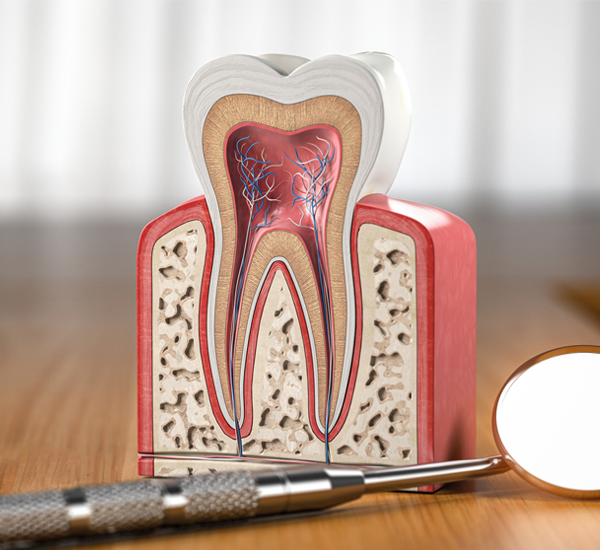
Before delving into the topic, it’s important to understand what root canal treatment entails. During a root canal procedure, the dentist or endodontist removes the infected or damaged pulp from inside the tooth. The pulp contains nerves, blood vessels, and connective tissue, and when it becomes infected or inflamed, it can cause severe pain and other symptoms.
After removing the pulp, the inside of the tooth is cleaned and disinfected, and then filled and sealed with a material called gutta-percha. In some cases, a crown may be placed on the tooth to protect it and restore its function.
Reasons for Increased Tooth Pain After Root Canal Treatment While root canal treatment is typically effective in relieving tooth pain, some patients may experience increased pain in the days following the procedure. There are several reasons why this may occur:
Inflammation
The root canal procedure can cause inflammation in the surrounding tissues, which can lead to temporary discomfort or pain. This inflammation is a natural part of the healing process and should subside within a few days.
Residual infection
In some cases, the root canal may not completely eliminate the infection, leading to continued pain or discomfort. This can occur if the tooth has complex root anatomy or if the infection is particularly stubborn.
Post-operative sensitivity
After a root canal, the tooth may be sensitive to hot or cold temperatures, pressure, or touch. This sensitivity is usually temporary but can cause discomfort for some patients.
High filling
If the filling placed in the tooth during the root canal procedure is too high, it can cause the tooth to hit prematurely when biting or chewing, leading to pain or discomfort.
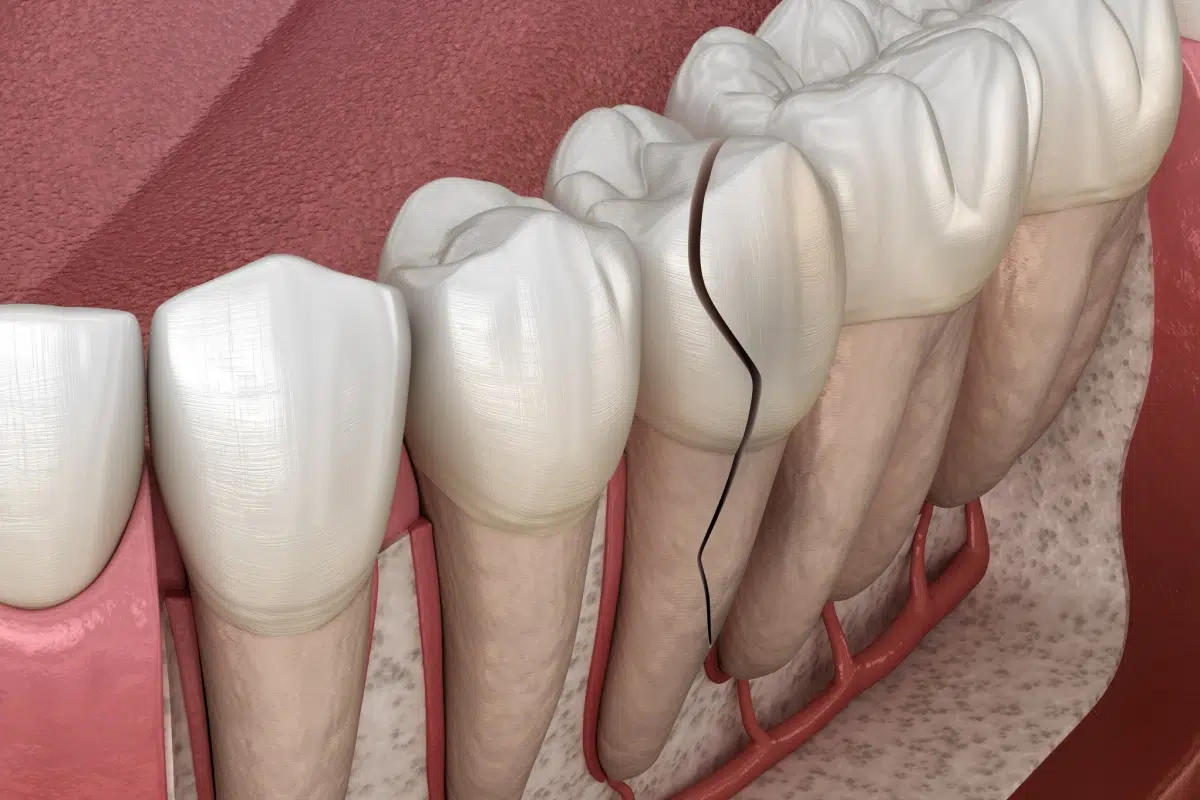
Cracked or fractured tooth
In rare cases, a tooth may develop a crack or fracture after a root canal, which can cause pain when biting or chewing.
Managing Tooth Pain After Root Canal Treatment
If you experience increased tooth pain after a root canal, there are several steps you can take to manage the discomfort:
- Over-the-counter pain medication: Taking non-prescription pain relievers such as ibuprofen or acetaminophen can help reduce pain and inflammation.
- Avoid chewing on the affected tooth: To prevent further irritation, avoid chewing on the tooth that has undergone root canal treatment until the pain subsides.
- Use a soft toothbrush: Brushing gently with a soft-bristled toothbrush can help prevent irritation to the sensitive tooth.
- Rinse with warm saltwater: Rinsing your mouth with warm saltwater can help reduce inflammation and promote healing.
- Follow up with your dentist: If your pain persists or worsens, it’s important to follow up with your dentist. They may need to take additional X-rays or perform other tests to determine the cause of your discomfort.
While it is normal to experience some discomfort or pain after a root canal procedure, this should gradually improve as the tooth heals. However, if you experience severe or persistent pain, swelling, or other symptoms, it is important to contact your dentist as soon as possible. With proper care and management, any post-operative pain following a root canal can be effectively addressed, and you can enjoy a healthy, pain-free smile.
People Also Search For
Is it normal for my tooth to hurt a few days after a root canal?
Yes, it can be normal to feel some soreness or sensitivity for a few days after the procedure. This is part of the healing process and should gradually get better.
How long should discomfort last after a root canal procedure?
Most patients feel improvement within a few days to a week. If the pain lasts longer or becomes worse, it’s a good idea to check in with your dentist.
What should I do if my tooth pain gets worse after treatment?
If the pain increases instead of improving, contact your dentist. It could be due to inflammation, bite issues, or another concern that needs attention.
Can I eat normally after getting a root canal done, or should I be careful?
You should be careful for a few days and stick to softer foods. Avoid chewing on the treated side until it feels comfortable again.
Do I need to come back to the dentist if my tooth still feels sensitive after a root canal?
Yes, if sensitivity continues or doesn’t improve, it’s best to visit your dentist to make sure everything is healing properly.